
Ukrainian month names are Slavic, tied to nature: sichen (January) “cuts” the ice, berezen (March) wakes the birch sap, serpen (August) reaps the grain with a sickle, lystopad (November) shakes the leaves off the trees. This tradition survives in only a handful of languages — Polish, Czech, Belarusian, Croatian. English, German, French and most European languages instead inherited the Roman names from Julius Caesar and the emperor Augustus.
| # | Month | Season | Days |
|---|---|---|---|
| 1 | Січень (January) | Winter | 31 |
| 2 | Лютий (February) | Winter | 28–29 |
| 3 | Березень (March) | Spring | 31 |
| 4 | Квітень (April) | Spring | 30 |
| 5 | Травень (May) | Spring | 31 |
| 6 | Червень (June) | Summer | 30 |
| 7 | Липень (July) | Summer | 31 |
| 8 | Серпень (August) | Summer | 31 |
| 9 | Вересень (September) | Autumn | 30 |
| 10 | Жовтень (October) | Autumn | 31 |
| 11 | Листопад (November) | Autumn | 30 |
| 12 | Грудень (December) | Winter | 31 |
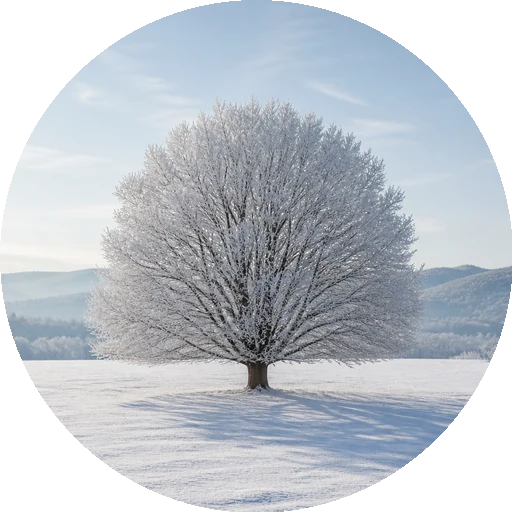
Січень (January)
Winter · 31 days
Etymology: From sikty (“to cut”) the ice: in January the rivers freeze hardest, and fishermen had to hack through the ice to reach the water.
The month of carols and Christmas festivities: 7 January is Christmas in the Julian calendar (25 December in the Revised Julian), 19 January is Epiphany. The coldest month of the year. In older times it was also called prosynets — for the blue sky (synie nebo) that appears once the Christmas frosts set in.
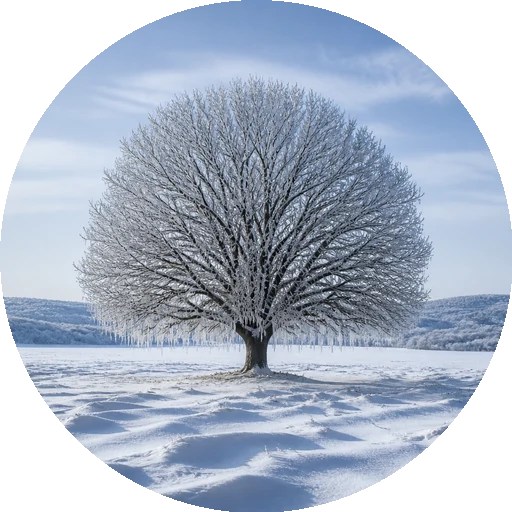
Лютий (February)
Winter · 28–29 days
Etymology: From the adjective lyutyy — fierce, merciless: this month brings the harshest frosts and blizzards.
Folk names included kruten, zymobor and kazybrid — for its knack of whirling up snowdrifts and making the roads impassable. The shortest month of the year; in leap years it has 29 days.
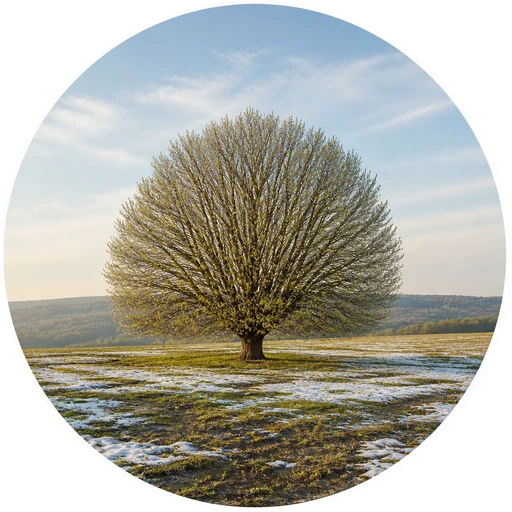
Березень (March)
Spring · 31 days
Etymology: From bereza (“birch”): the time when sap starts moving through the birch branches and the tree “wakes up” after winter.
The turning point between winter and spring: 20–21 March is the spring equinox, when day equals night. In the old days birch sap was drunk as the first invigorating drink of spring. The week before Easter — Palm Sunday and Maundy Thursday — often falls in March.
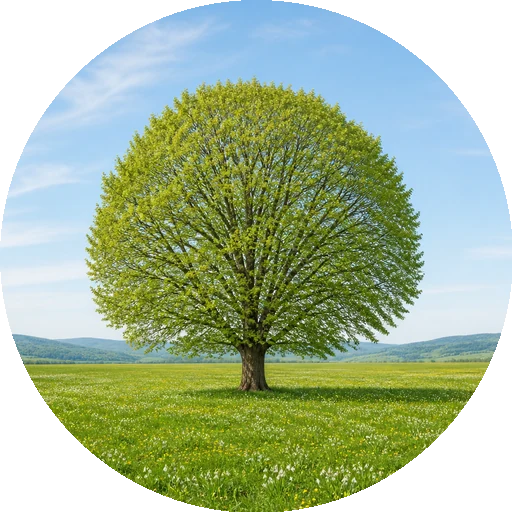
Квітень (April)
Spring · 30 days
Etymology: From kvity (“flowers”): the month when the first spring flowers bloom — snowdrops, scillas, corydalis, violets, daffodils.
The Ukrainian name stands in direct contrast to the Roman “Aprilis” (from aperire, “to open”) and even to the Belarusian krasavik (from krasivy, “beautiful”). April is the time of Easter — a movable feast that usually falls in this month.
Травень (May)
Spring · 31 days
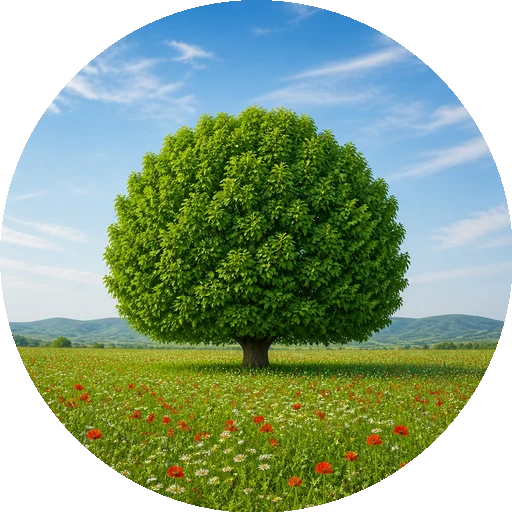
Etymology: From trava (“grass”): the month when fields and meadows are thickly covered with young grass. The old names travnevyy and trav’yanyk are also found.
In folk belief it was thought unwise to marry in May — the pun “u travni odruzhyshsya — vse zhyttya mayatymeshsya” (“marry in May and you’ll toil all your life”) — though today this is mere superstition. 9 May is traditionally tied to spring remembrance customs; since 2023 it has officially been Europe Day in Ukraine.
Червень (June)
Summer · 30 days
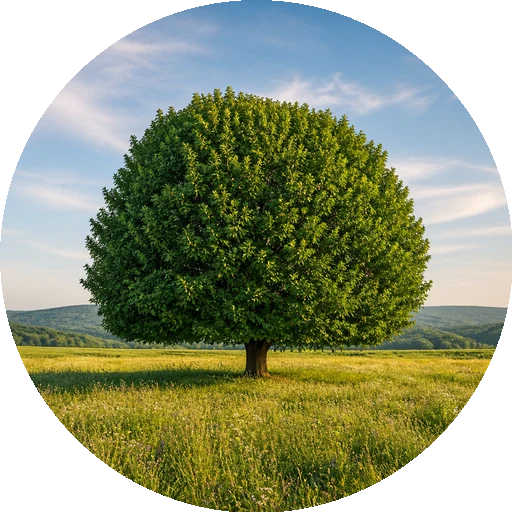
Etymology: From chervets — the cochineal insects from which the ancient Slavs made red dye and which were gathered in June. By another account, from chervoni (“red”, i.e. ripe) berries: wild strawberries, cherries, raspberries.
The first month of summer and the time of the longest daylight (21–22 June is the summer solstice). It leads into one of the oldest and most mythical festivals — Ivan Kupala (6/7 July by the new calendar), traditionally marked with bonfires, flower wreaths and the search for the fern flower.
Липень (July)
Summer · 31 days
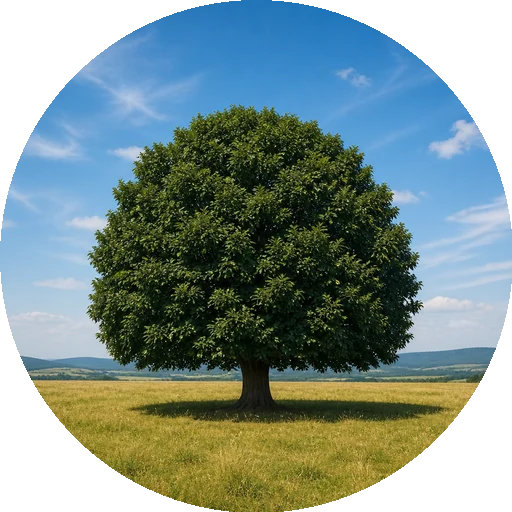
Etymology: From lypa (“linden / lime tree”): the tree that blossoms in July, filling the air with a honeyed scent.
The beekeeper’s month: linden honey is regarded as one of the finest in both taste and healing properties. In the old days it often coincided with the start of the wheat and rye harvest — the most important work of the whole farming year.
Серпень (August)
Summer · 31 days
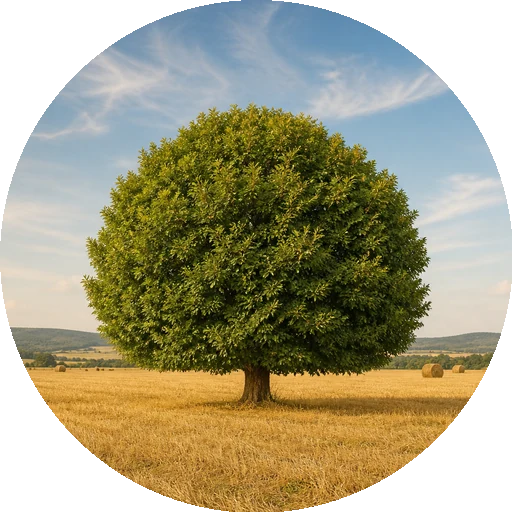
Etymology: From serp (“sickle”): the tool used to reap grain — in August the main wheat and rye harvest is completed in Ukraine.
On Makoviy (14 August) honey, poppy seeds and the first fruits were blessed — the “first Spas”. On the Transfiguration (19 August, the “Apple Spas”) — apples, pears, grapes. On the Dormition (28 August, the “third Spas”) — fresh bread and blessed seed grain. The richest harvest month, a symbol of the completion of summer’s labour.
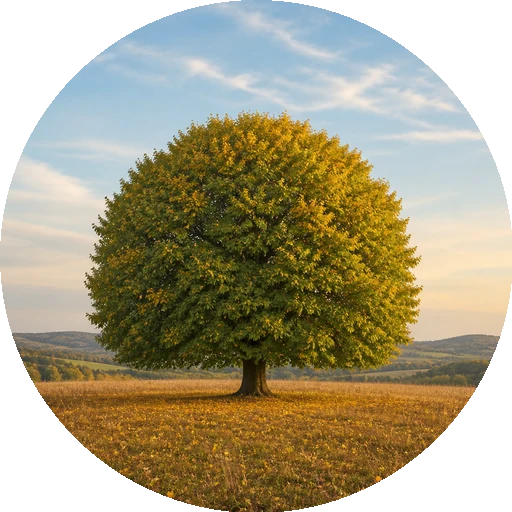
Вересень (September)
Autumn · 30 days
Etymology: From veres (“heather”): a low evergreen shrub with pink-violet flowers that blooms in September.
The start of autumn and a turning-point month: 22–23 September is the autumn equinox. 14 September is the church feast of Simeon the Stylite (“Semena”) — in older times the new farming year was counted from it. The time to gather apples, pears, grapes and potatoes.

Жовтень (October)
Autumn · 31 days
Etymology: From zhovtyy (“yellow”): the colour into which autumn paints the leaves in October.
The month of the great harvest: potatoes, beets, pumpkins, carrots. In older times October was also called hryazen (from the autumn rains) and even lystopad — a name that later attached itself to the following month. The Protection of the Mother of God (Pokrova, 14 October) is, in the Cossack tradition, the feast of the patroness of the Zaporozhian Host.
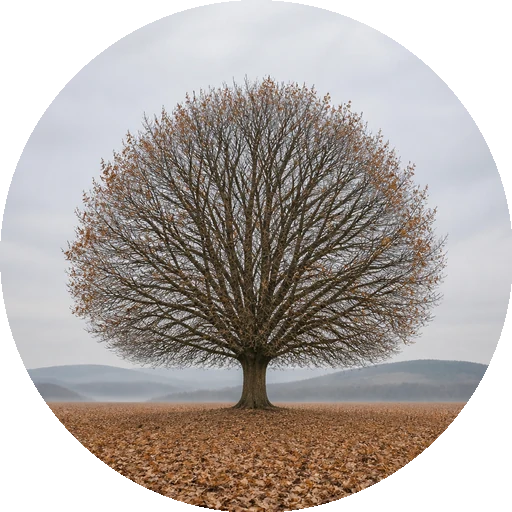
Листопад (November)
Autumn · 30 days
Etymology: From lysto-pad — literally “leaf-fall”: in November the trees finally shed all their leaves.
The boundary month between autumn and winter; the first snow often falls. St Michael’s Day (21 November) was popularly seen as the line after which the real frosts began — hence the saying “Before Michael the earth steams, after Michael it freezes solid.”
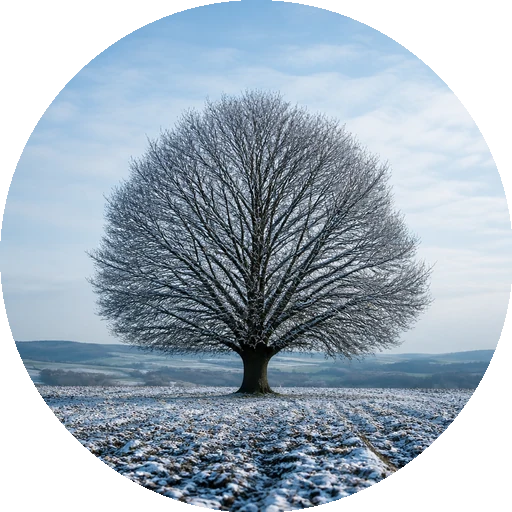
Грудень (December)
Winter · 31 days
Etymology: From hrudy — the frozen clods of earth that were hard to walk or drive a cart over before the snow fell.
The shortest daylight of the year: 21–22 December is the winter solstice, after which the days begin to lengthen again. December traditionally ends in the anticipation of Christmas (25 December in the Revised Julian calendar) and the New Year. St Nicholas Day (6 December) is a beloved children’s holiday with gifts.