Study materials
For 223 years — from the founding of the first fortress on the island of Khortytsia in 1552 to the manifesto of Empress Catherine II on 3 August 1775 — there existed at the Dnieper rapids perhaps the most remarkable political community of early modern Europe: a Cossack republic with an elected koshovyi otaman, a general Cossack rada, its own fleet of "chaika" boats and its own code of honor. Zaporizhia fought at once against the Crimea, against Turkey, against Poland, against Moscow — and at the same time served each of these neighbors as a mercenary army. From here came Bohdan Khmelnytsky; here Sahaidachny, Sirko, Mazepa and Kalnyshevsky were forged. Today the Sich is the cornerstone of Ukrainian national mythology: the image of a free person who places liberty above life itself.
Where did the Cossacks come from?
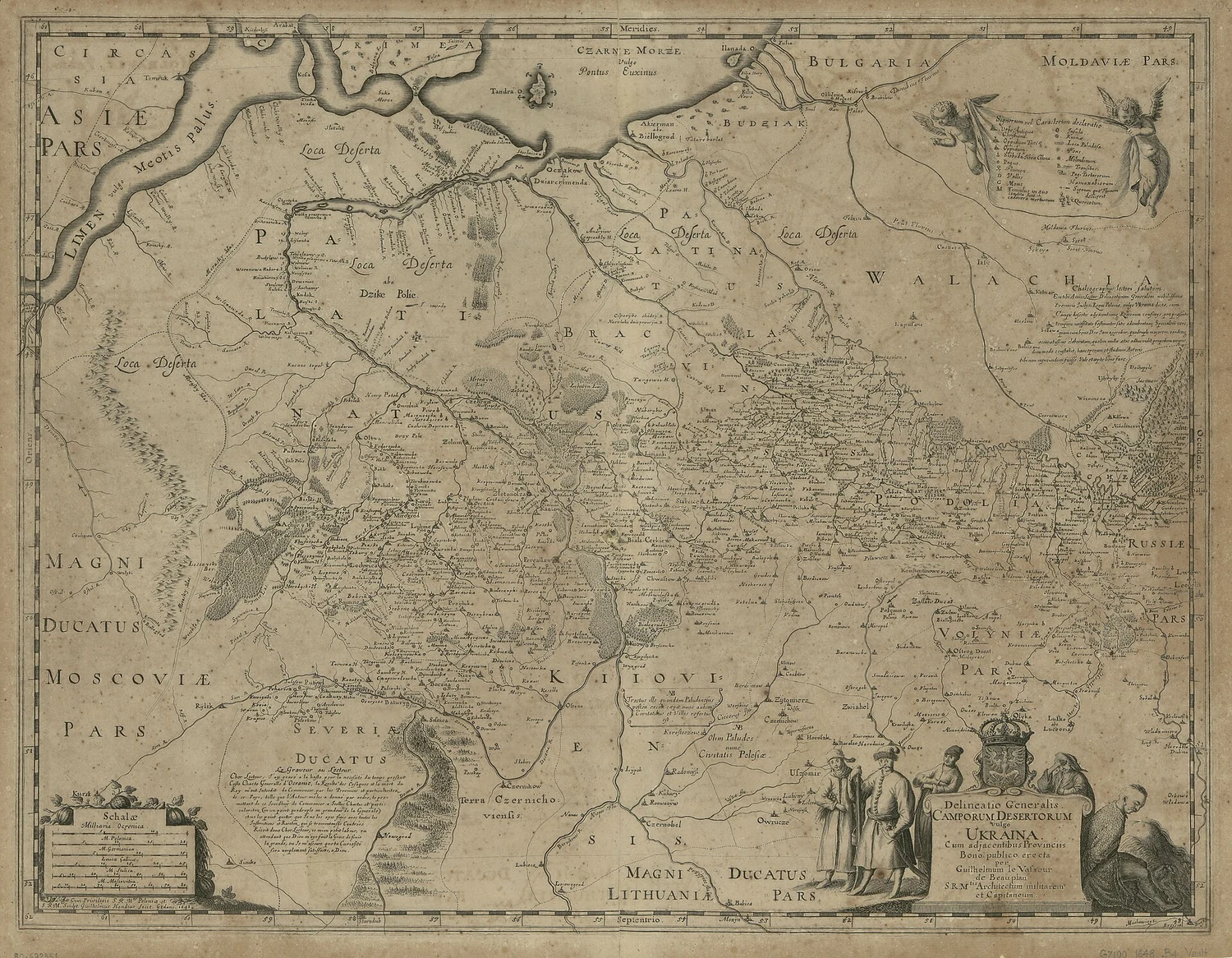
Beyond the Dnieper rapids stretched the boundless "Wild Field" — a dangerous steppe where the Tatars held sway. People who longed for freedom fled there from their lords, from serfdom and from war. Once armed, they became Cossacks — free warriors who fended for themselves in this harsh land.
What was the Zaporozhian Sich?
The heart of the Cossack world was the Zaporozhian Sich — a fortified camp and stronghold on an island in the middle of the Dnieper. The first Sich was founded in 1552 by Prince Dmytro Vyshnevetsky. From here the Cossacks defended their land and set out on campaigns. The Sich was not merely a fortress but a true Cossack republic.

Cossack democracy
The most remarkable thing about the Sich was its political order. The Cossacks themselves elected their leader — the koshovyi otaman at a general assembly, the "Cossack rada". If an otaman proved unfit, he was voted out. In an age of kings and tsars, the Zaporozhians lived almost like a free republic in which all were equal.

How the Cossacks lived
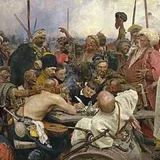
The Sich was a stern military brotherhood. Women were not allowed in, and all Cossacks were regarded as equal brothers. They were famed for their courage, their wit and their audacity — small wonder that the letter of the Zaporozhians to the Turkish sultan, full of mockery, became a legend. Liberty the Cossacks prized above all else.
Sea raids aboard the "chaika" boats
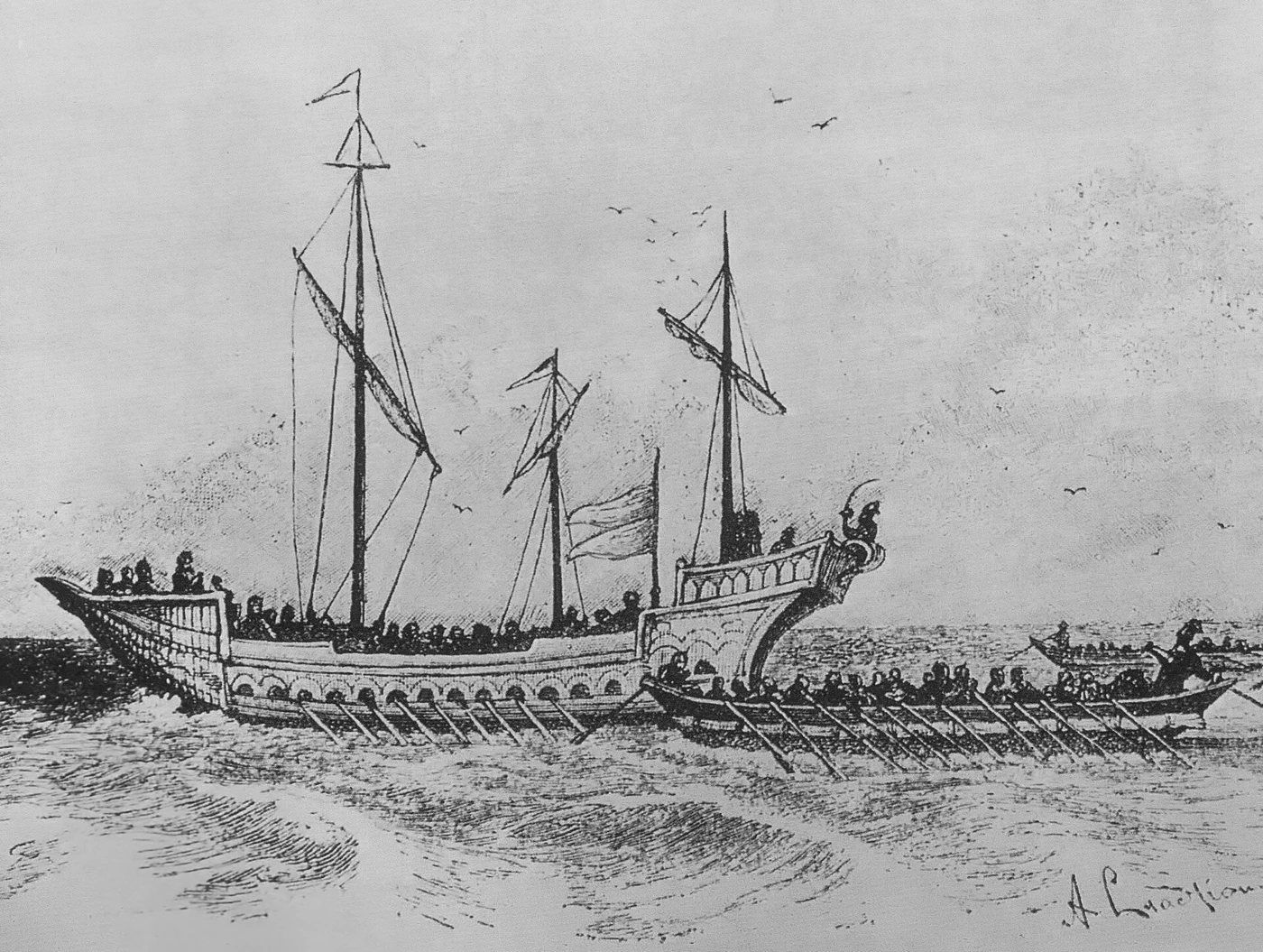
The Cossacks were not only horsemen but also daring seafarers. In swift "chaika" boats they crossed the Black Sea and attacked Turkish cities — even the outskirts of Istanbul itself! They freed Christian captives from bondage and struck terror into the mighty Ottoman Empire.
Sahaidachny — hetman and commander
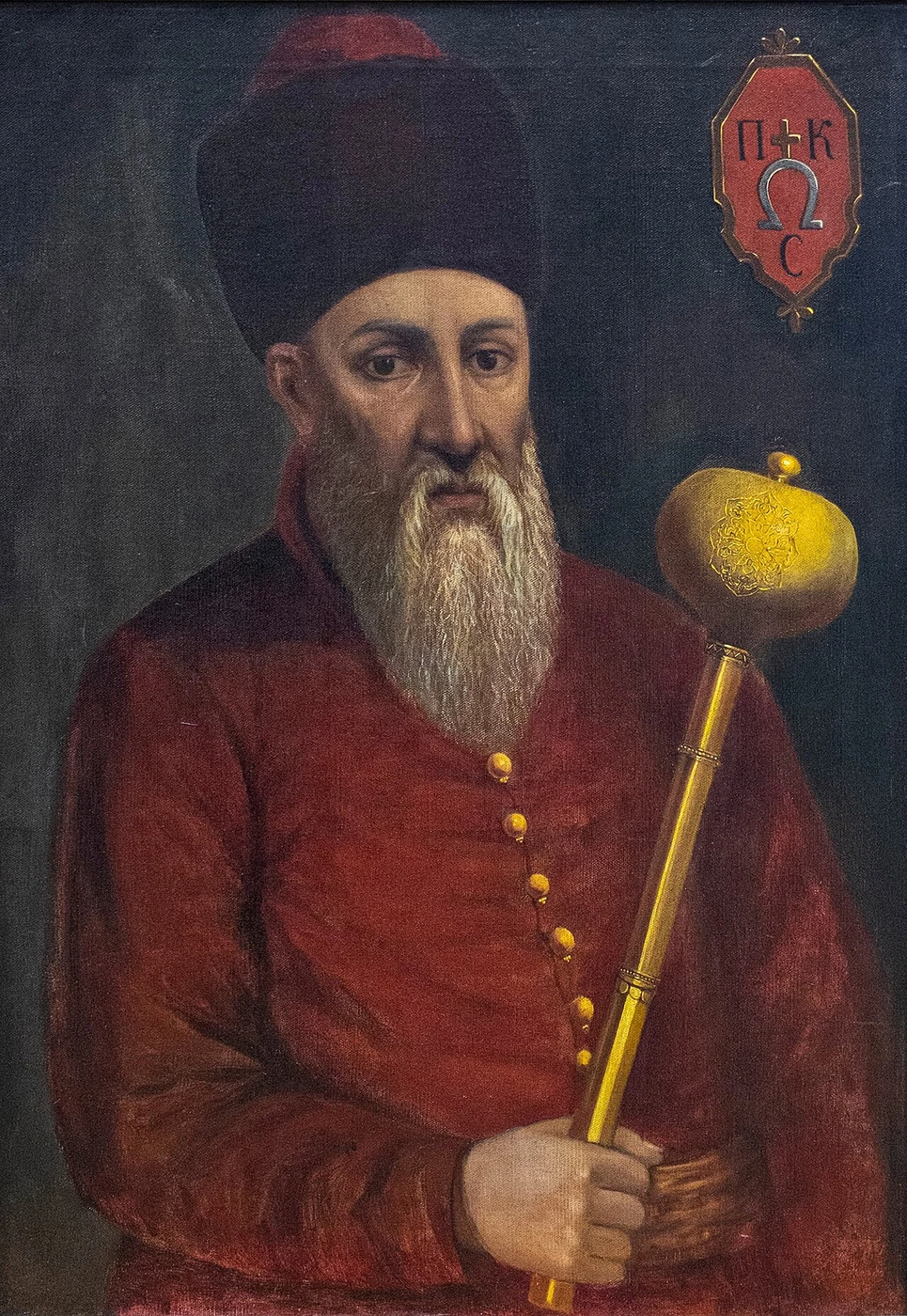
One of the most outstanding Cossack leaders was Petro Sahaidachny. He transformed the Cossacks into a formidable military force. In 1621, at the Battle of Khotyn, the Cossacks played a decisive part in routing a huge Turkish army, in effect saving Europe from an Ottoman advance.

From here came Khmelnytsky
It was at the Sich in 1648 that the Cossacks elected Bohdan Khmelnytsky as hetman. From here he raised a great uprising against Poland, out of which a Cossack state arose. The Sich was a true "forge" of leaders: here were tempered those who shaped Ukrainian history.
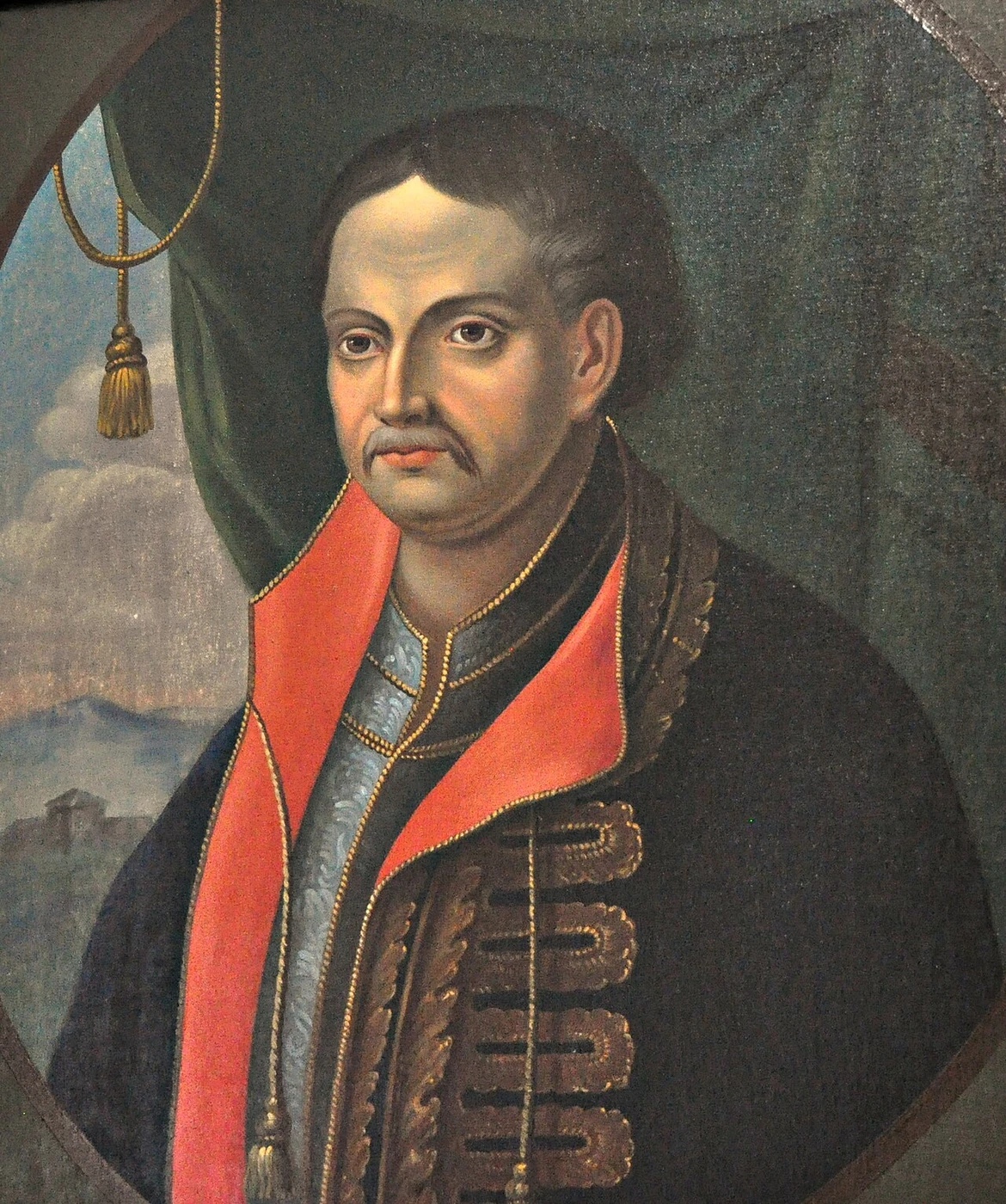
Mazepa and the struggle with Moscow
In time Ukraine fell under the power of Moscow. In 1708 Hetman Ivan Mazepa dared to rise against Tsar Peter I in alliance with the Swedes, seeking to win freedom. But at the Battle of Poltava in 1709 the Swedes and Cossacks were defeated — and Moscow's pressure on the Cossacks only grew heavier.

The end of the Sich
The free Sich stood ever more in the empire's way. In 1775, having defeated Turkey, Empress Catherine II ordered the Zaporozhian Sich destroyed. The last otaman, the 85-year-old Petro Kalnyshevsky, was exiled to a monastery prison on the Solovetsky Islands, where he lived on for many more years. So ended the age of the free Cossacks — but the memory of it has remained forever a symbol of Ukrainian liberty.