Study materials
Twenty-seven years — from the founding of the OUN in Vienna in 1929 to the arrest of the last general, Vasyl Kuk, on 23 May 1954 — Ukrainian nationalists waged the longest partisan war of the 20th century. They fought against three empires at once: the Second Polish Republic, Nazi Germany, and the Soviet Union. The UPA never had a rear or a front, never had foreign support, never had a chance — and yet it held out in the forests of the Carpathians and the hideouts of Volhynia for a full ten years after the surrender of Berlin. On its bones, on the tragedy of Volhynia in 1943, on the deportations of Operation Vistula in 1947, the modern Ukrainian identity grew — and to this day it divides the nation and its neighbors.
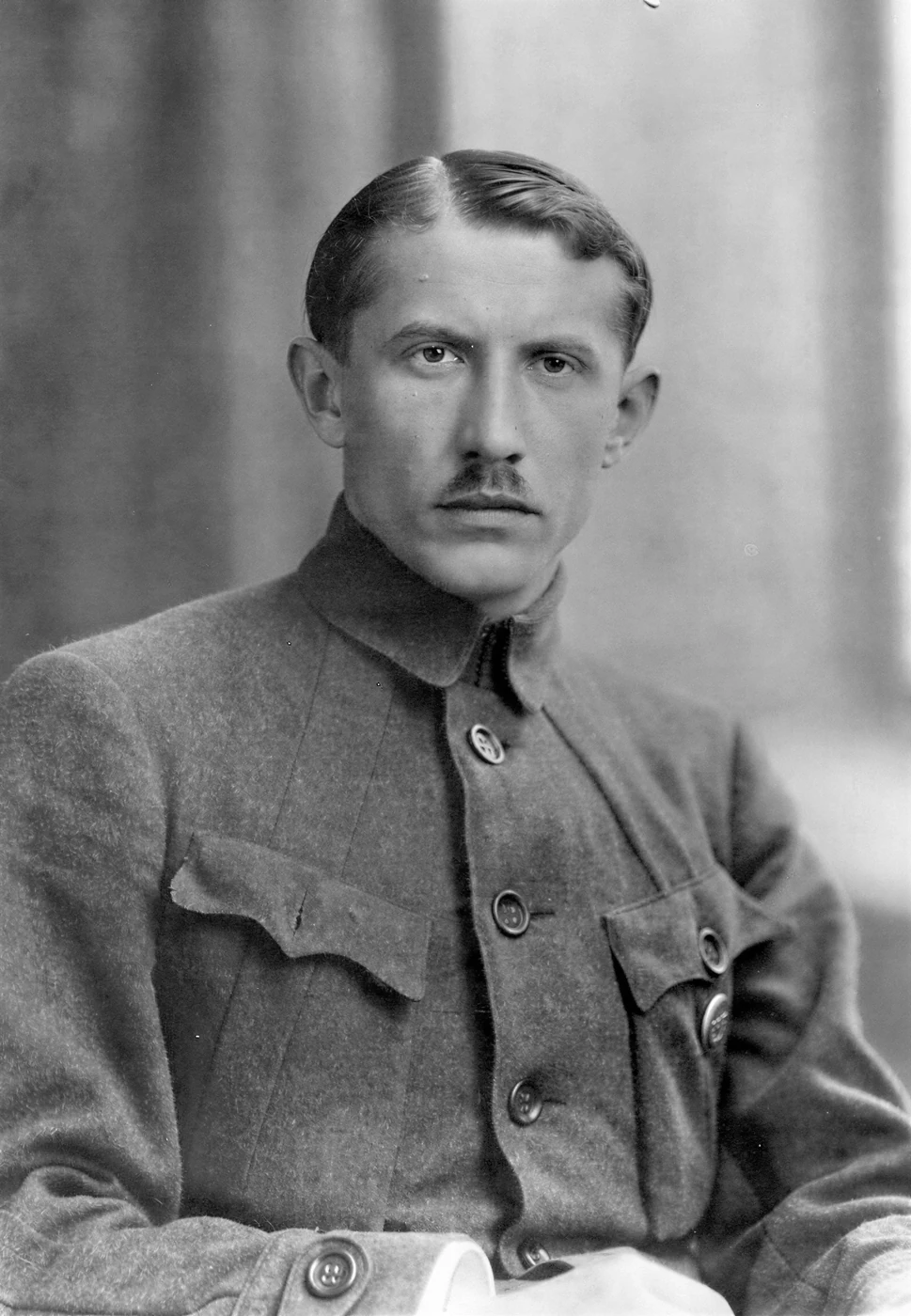
Why did Ukrainian nationalists emerge?
After the First World War, Ukraine did not gain a state of its own: its lands were divided among Poland, the USSR, and other neighbors. Many Ukrainians longed for independence. In 1929 they founded the Organization of Ukrainian Nationalists (OUN) to fight for a state of their own — at first underground, and later with arms.
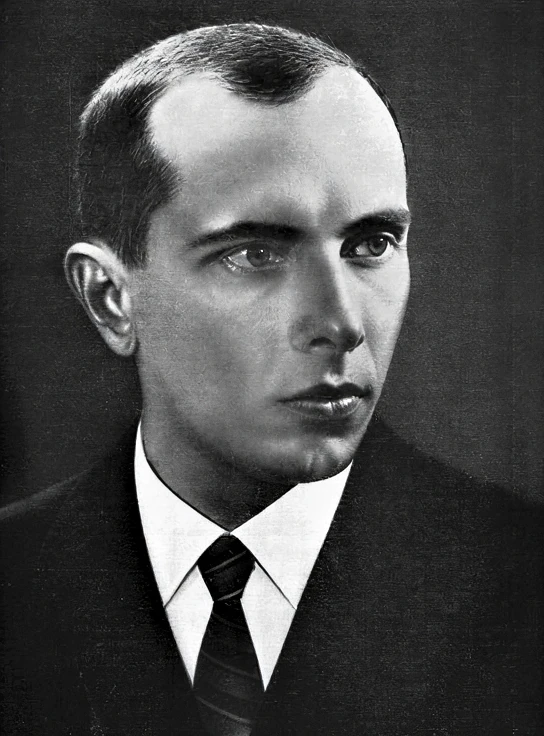
Bandera and the split in the movement
In time the OUN split into two currents. The more radical, younger wing was led by Stepan Bandera — his name became the symbol of the whole movement. The moderate wing was led by Andriy Melnyk. This split weakened the Ukrainians, but the struggle for independence went on.
Between two totalitarian empires
When the Second World War began, Ukraine found itself between two terrible powers — Hitler's Nazi Germany and Stalin's Soviet Union. Both were hostile to Ukrainian independence. At first the nationalists hoped to use the Germans against the USSR, but they soon realized that the Nazis, too, would not grant Ukraine its freedom.
The proclamation of independence in 1941
On 30 June 1941, as soon as the Germans took Lviv, Bandera's followers proclaimed the Act of Restoration of the Ukrainian State. But Hitler recognized no Ukrainian state. The Nazis arrested Bandera and threw him into a concentration camp. It became clear: freedom would have to be won against everyone.
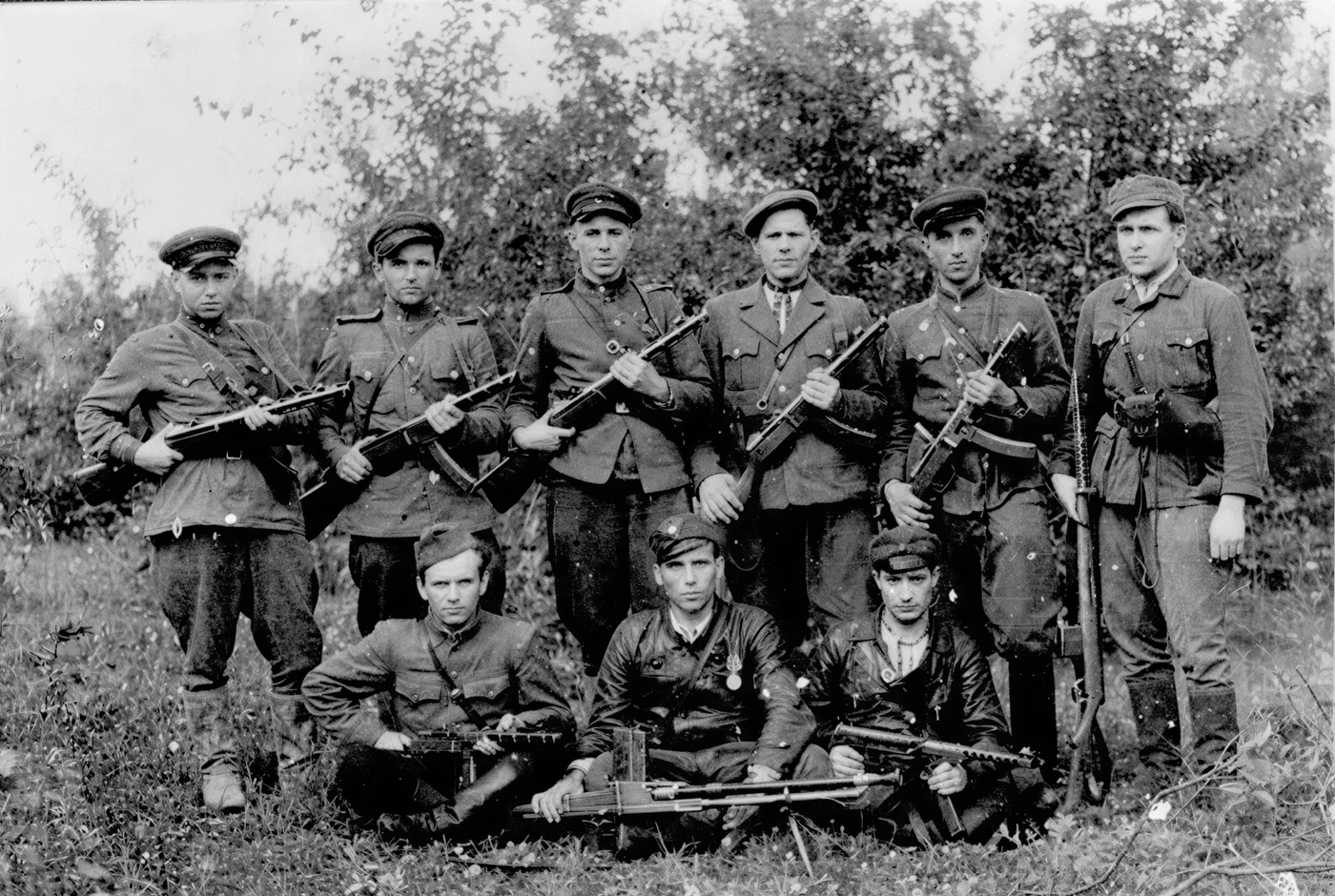
What was the UPA?
The Ukrainian Insurgent Army (UPA) was a partisan army that took its final shape in 1942–1943. It fought for an independent Ukraine against all occupiers: against the Nazis and against Soviet rule alike. The UPA had neither a state behind it nor foreign aid — only the support of the local population.
Kryivkas and the partisan war
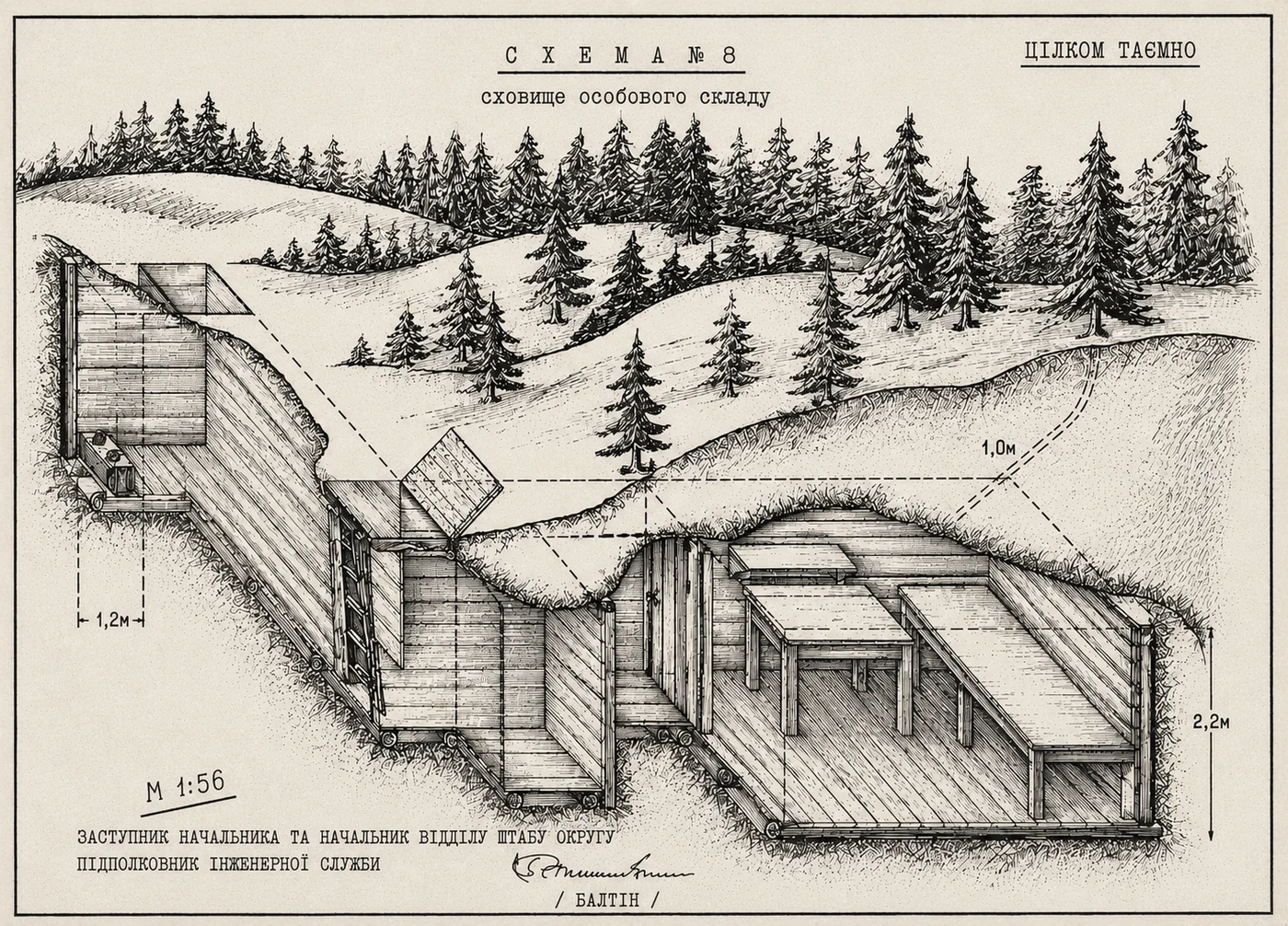
The UPA waged a secret partisan war. The insurgents hid in the forests and in kryivkas — camouflaged underground bunkers. There they lived, sheltered the wounded, and printed leaflets. Finding a kryivka was extremely difficult. It was precisely thanks to this secrecy that the UPA held out for so long.
The tragedy of Volhynia in 1943
The darkest page of this history is the Volhynian tragedy of 1943. It was a brutal Ukrainian–Polish conflict in which tens of thousands of civilians died — above all Poles, but Ukrainians as well. These events are still painful and contested, and Ukraine and Poland are trying to face them honestly for the sake of reconciliation.
Roman Shukhevych — the commander-in-chief
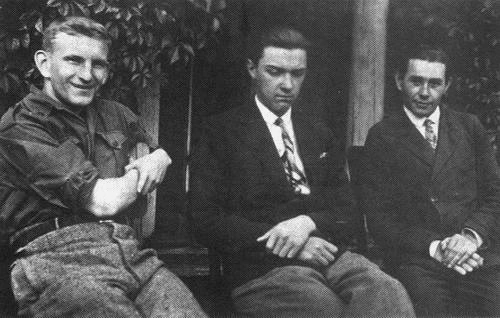
The UPA was led by Roman Shukhevych (nom de guerre "Taras Chuprynka"). Under his command the army became a disciplined underground force that for years stood up to the vast Soviet machine. Shukhevych died in battle with Soviet forces in 1950, never laying down his arms.
The end of the struggle — and memory
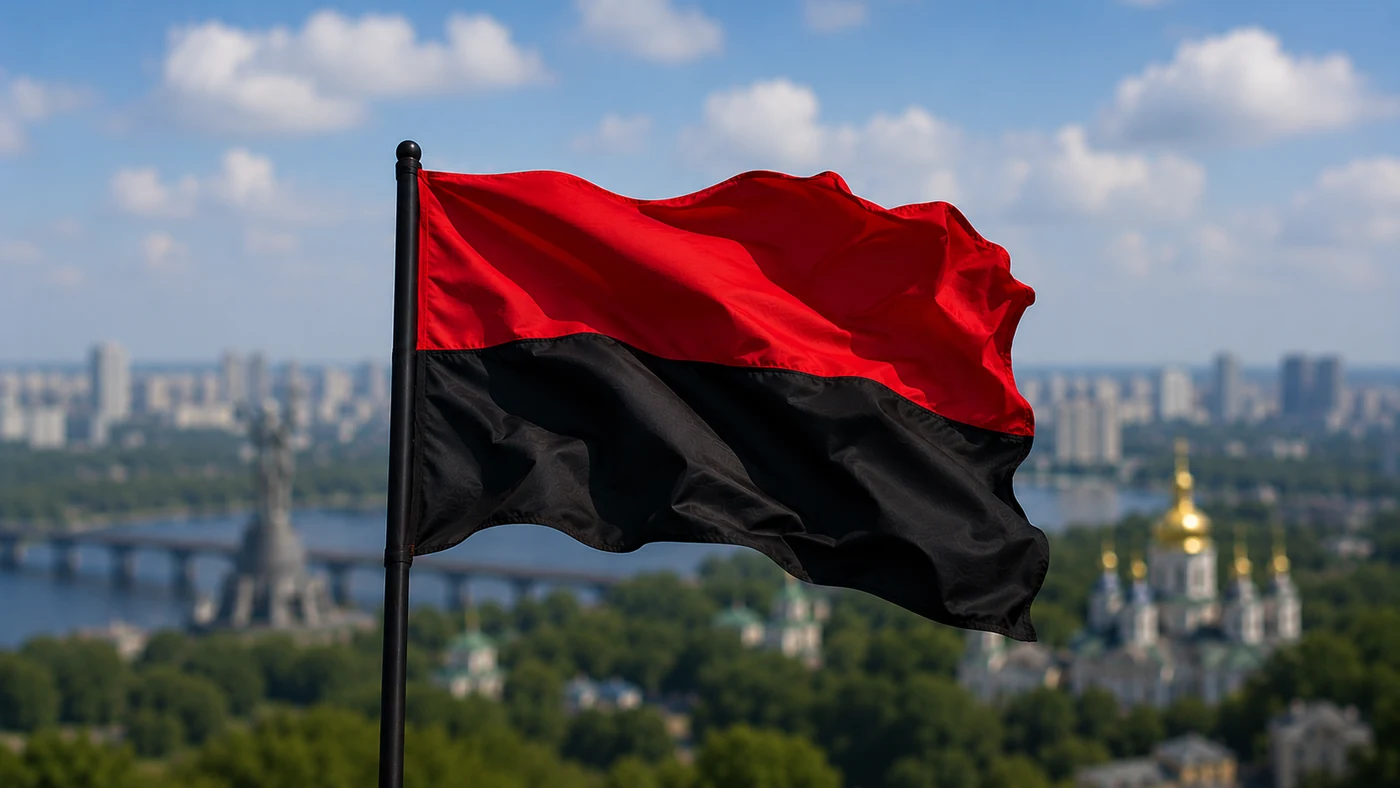
After the war the UPA fought on against the USSR for years, while in 1947 Poland, through Operation Vistula, deported hundreds of thousands of Ukrainians from their lands. The armed struggle died down with the death of Shukhevych (1950) and the arrest of the last commander, Vasyl Kuk (1954). Today in Ukraine the UPA is honored as a symbol of the struggle for freedom — though among its neighbors attitudes toward it remain contested.