Study materials
Three hundred and seventy-eight years — from the calling of the Varangian Rurik to Novgorod in 862 to the fall of Kyiv under the blow of the Mongols on 6 December 1240 — on the expanse from the Baltic to the Black Sea, the first East Slavic state existed. Kyivan Rus' was born on the route from the Varangians to the Greeks, adopted Christianity from Constantinople in 988, gave Europe dynastic marriages with France, Hungary and Norway — and broke up into a dozen and a half principalities before it was utterly destroyed by the hordes of Batu. On its ruins both Ukraine and Belarus and Russia have grown — and to this day they argue over who is its lawful heir.
What Kyivan Rus' was
Kyivan Rus' was the first great state on our lands, existing from roughly the 9th to the mid-13th century with its centre in Kyiv. It stretched from the Baltic to the Black Sea along the great trade "route from the Varangians to the Greeks". The written history of Ukraine begins with Kyivan Rus'.

How it all began
According to the chronicle "The Tale of Bygone Years", in 862 the Varangian Rurik was called to rule in the north. His successor Prince Oleh in 882 seized Kyiv and made it the capital, uniting north and south. Thus a state was born with its centre in Kyiv — "the mother of Rus' cities".
Princess Olha and Sviatoslav
Princess Olha ruled after the death of her husband Ihor, reformed the collection of tribute and was among the first to accept Christianity. Her son Sviatoslav the Brave spent almost his whole life on campaigns: he crushed the Khazar Khaganate and fought in the Balkans, but perished at the hands of the Pechenegs near the Dnipro rapids.
988: the baptism of Rus'
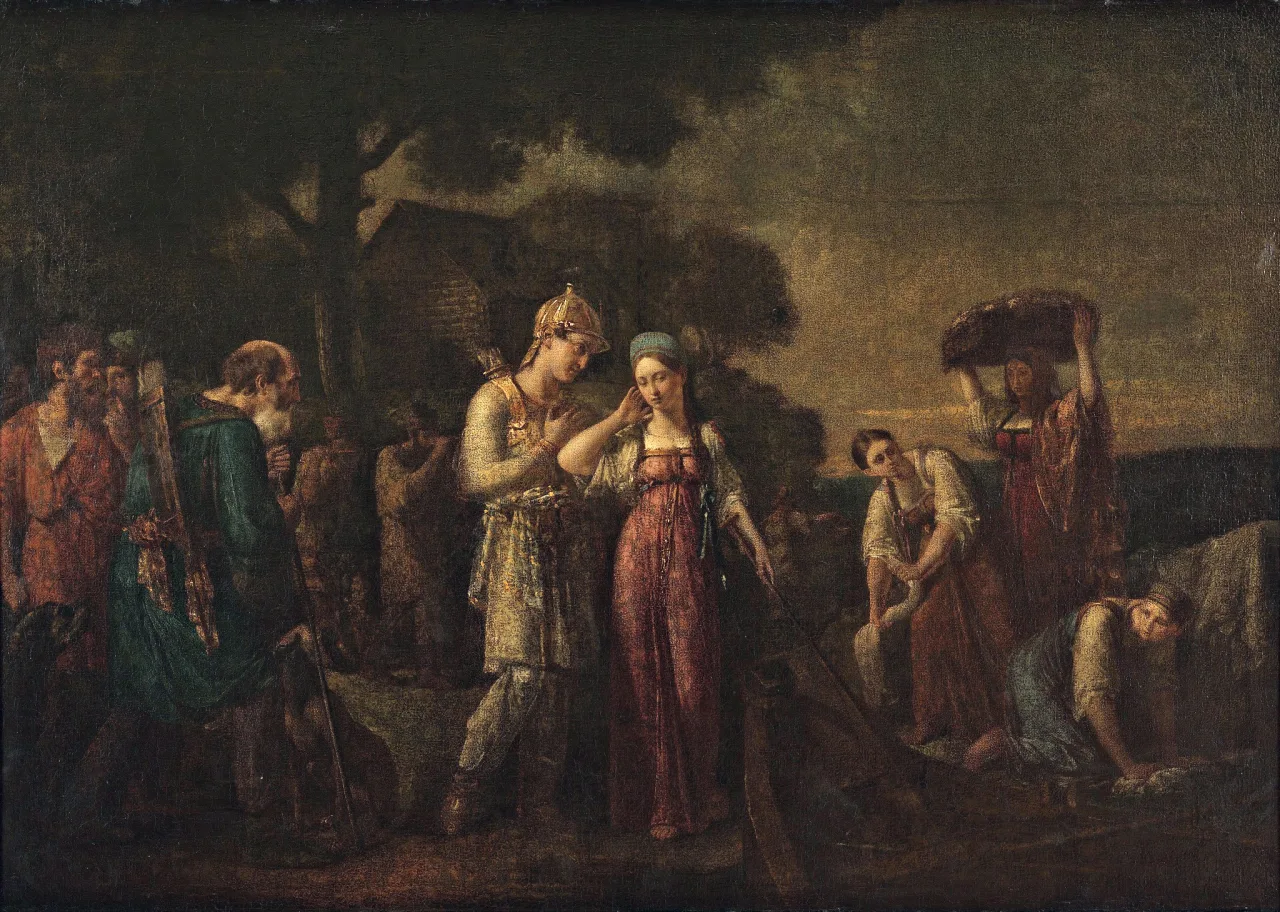
The most important event came under Prince Volodymyr the Great: in 988 he baptized Rus', adopting Christianity from Byzantium. The new faith brought writing, stone churches, ties with Europe and a common culture. Volodymyr is called the Baptizer, and Kyiv became a great Christian centre.

The golden age of Yaroslav the Wise
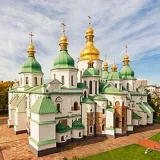
Under Prince Yaroslav the Wise (1019—1054) Kyivan Rus' reached its peak. He built the St Sophia Cathedral, founded the first libraries and schools, and compiled the first law code, the "Rus' Justice". He married his children into the royal families of Europe — his daughter Anne of Kyiv became queen of France.
Break-up into principalities
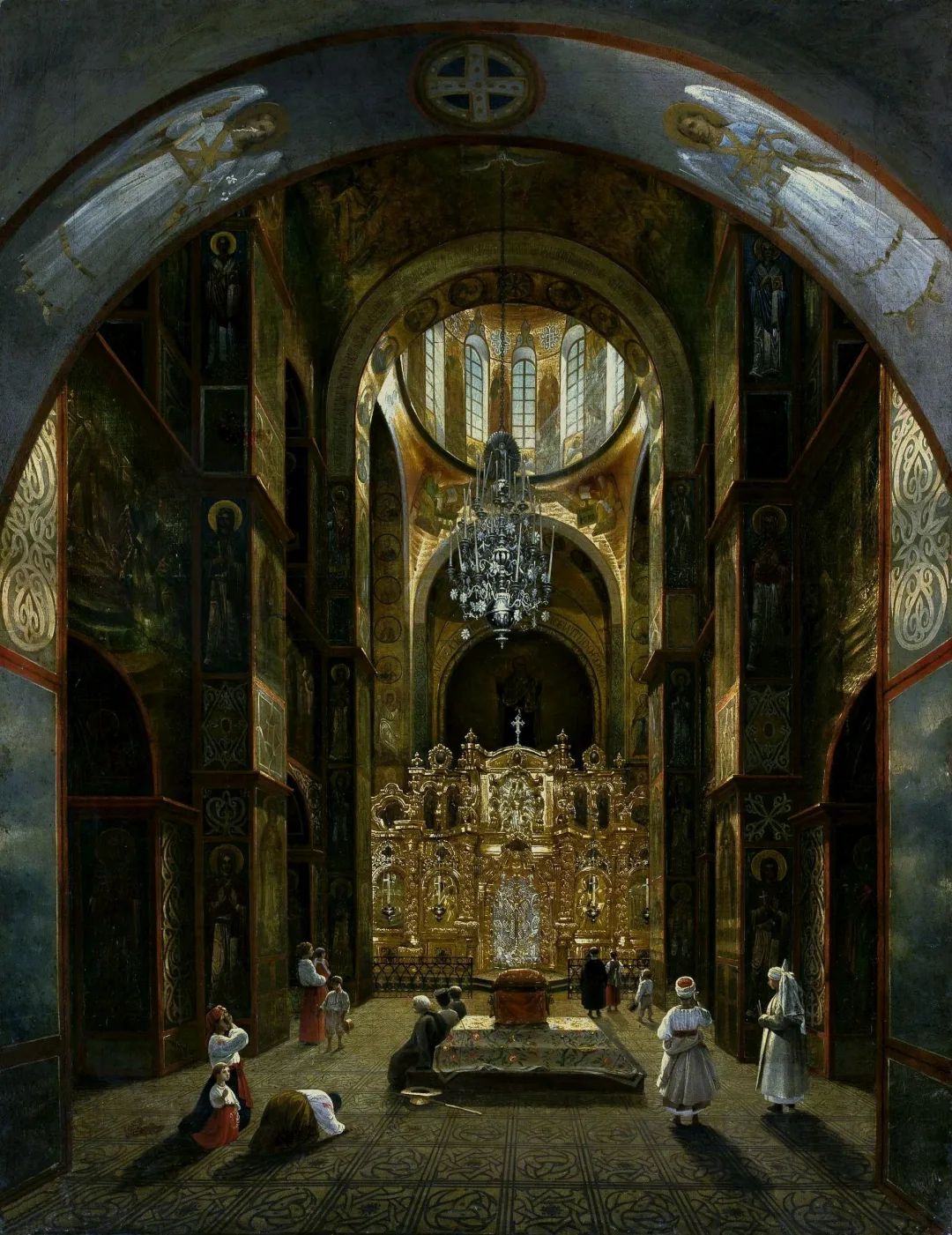
After Yaroslav the state began to fragment among his descendants. At the Council of Liubech in 1097 the princes agreed: "let each hold his own patrimony". This entrenched the division. The last to reunite Rus' for a time was Volodymyr Monomakh. Afterwards the country broke up into a dozen and a half separate principalities.
1240: the Mongol invasion
The fragmented Rus' could not withstand the Mongol invasion. The first clash with the Mongols came at the River Kalka in 1223 and ended in defeat. And on 6 December 1240 the hordes of Khan Batu took and destroyed Kyiv. This was the end of Kyivan Rus' as a single state.

The legacy
Kyivan Rus' gave our lands Christianity, writing, law and a tradition of statehood. Three peoples — Ukrainians, Belarusians and Russians — draw on its legacy, and to this day there are disputes over who is its principal heir. For Ukraine, Kyivan Rus' is the beginning of its own centuries-long history.