Study materials
Forty-four years of confrontation between two superpowers, the United States and the USSR, on every continent and in outer space. No direct battles between them, but an arms race, espionage, proxy wars, and the constant threat of nuclear annihilation. It ended peacefully and unexpectedly: one of the players simply fell apart, leaving fifteen independent states in its place.
What the Cold War was
After the Second World War, two superpowers were left standing: the United States and the USSR. They had been allies only yesterday, but they held completely different views of what the world should be. A rivalry began between them that lasted almost half a century (roughly 1947–1991).
It is called "cold" because the two superpowers never once fought each other directly. They had nuclear weapons, and a direct war would have meant the destruction of both. So they fought in other ways: through an arms race, espionage, propaganda, support for their allies in other people's wars, and a contest for supremacy in space.
Who competed with whom
The Western bloc, led by the United States: democracy and a market economy. In 1949 the Western countries created a military alliance, NATO.
The Eastern bloc, led by the USSR: one-party communist rule and a state-run economy. The USSR controlled the countries of Eastern Europe and united them in its own military alliance, the Warsaw Pact.
The world was effectively divided into two camps, with an invisible line running between them that came to be called the "Iron Curtain".
How it all began
Europe lay in ruins. In 1947 the United States announced that it would help countries threatened by communism, and launched the Marshall Plan, a vast program of financial aid for the rebuilding of Western Europe. The USSR forbade the countries under its control to accept this aid.
And so Europe was split, once and for all, into West and East. It is usually from this moment that the beginning of the Cold War is dated.
Berlin: the blockade and the Wall
After the war Germany and the city of Berlin were divided among the victors. Berlin lay deep inside the Soviet zone, but it too was split. In 1948 the USSR closed the roads to the western part of the city, in order to force the Western allies out. In reply, for a whole year the West flew food and coal into the city by air (the "airlift"), and the blockade failed.
Then in 1961, to stop people fleeing to the West, the eastern authorities raised the Berlin Wall in a single night. It divided the city for 28 years and became the great symbol of the Cold War.
The arms race and the nuclear threat
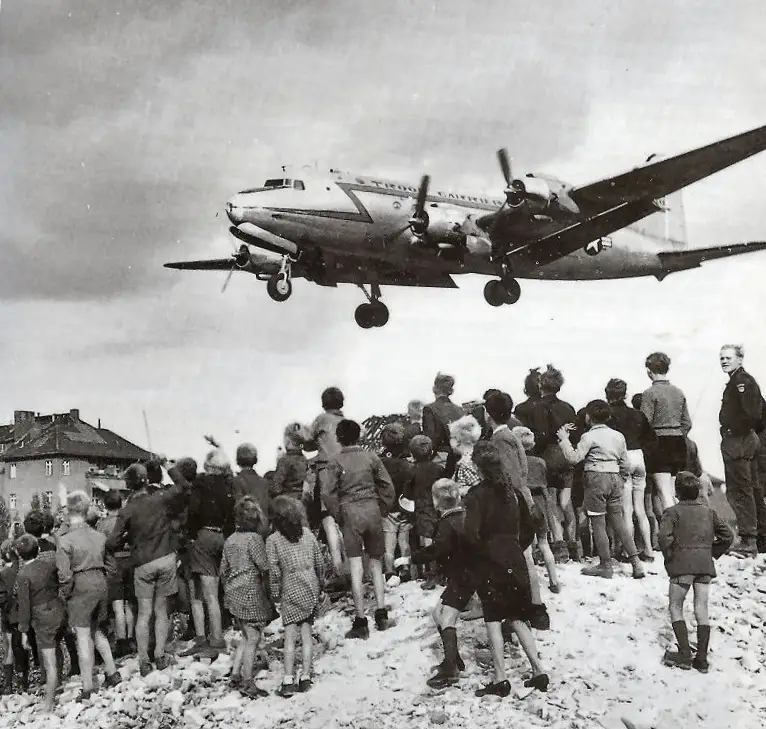
The USSR built its own atomic bomb in 1949, and from then on both sides began feverishly to build up their nuclear arsenals. There grew to be so many of these weapons that they could have destroyed humanity many times over.
On this rested a fragile peace: both sides understood that a nuclear war would have no winners. To live in the constant shadow of such a threat was frightening, and people all over the world feared that one day the button really would be pushed.
The Cuban Missile Crisis: one step from catastrophe
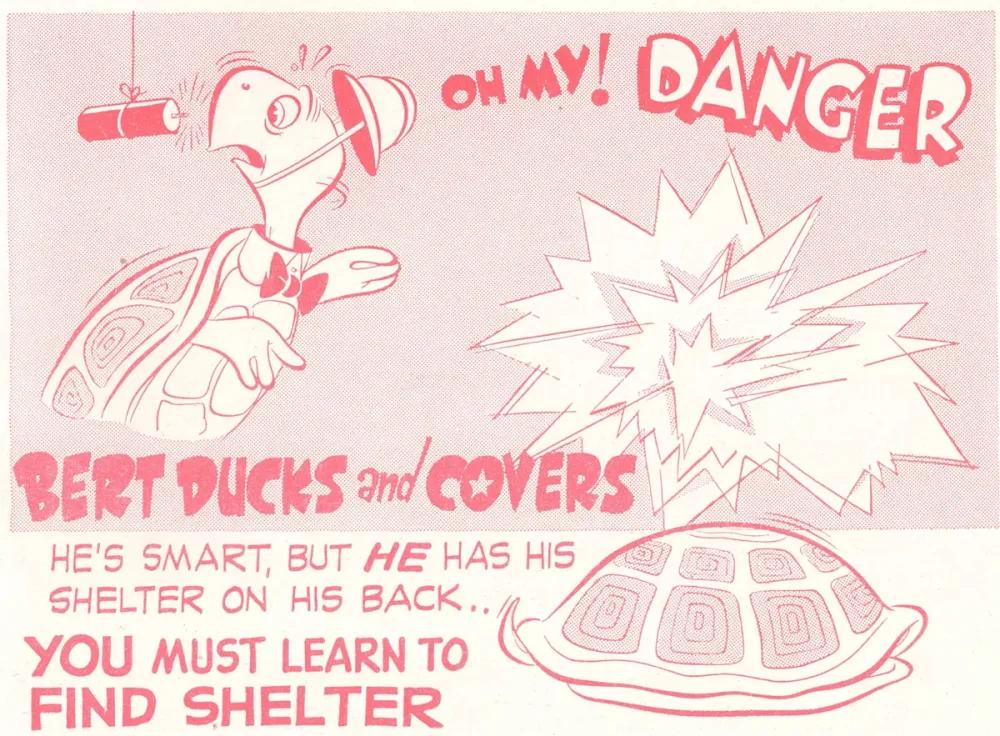
The most dangerous moment of the Cold War came in 1962. The USSR had secretly placed nuclear missiles in Cuba, right next to the United States. The Americans discovered them, and for two weeks the world stood frozen on the brink of nuclear war.
In the end the leaders managed to reach an agreement: the USSR removed its missiles from Cuba, and the United States promised not to attack the island and later withdrew its own missiles from Turkey. The world breathed out, and for the first time both sides were truly frightened by how far things could go.
Proxy wars: fighting through others
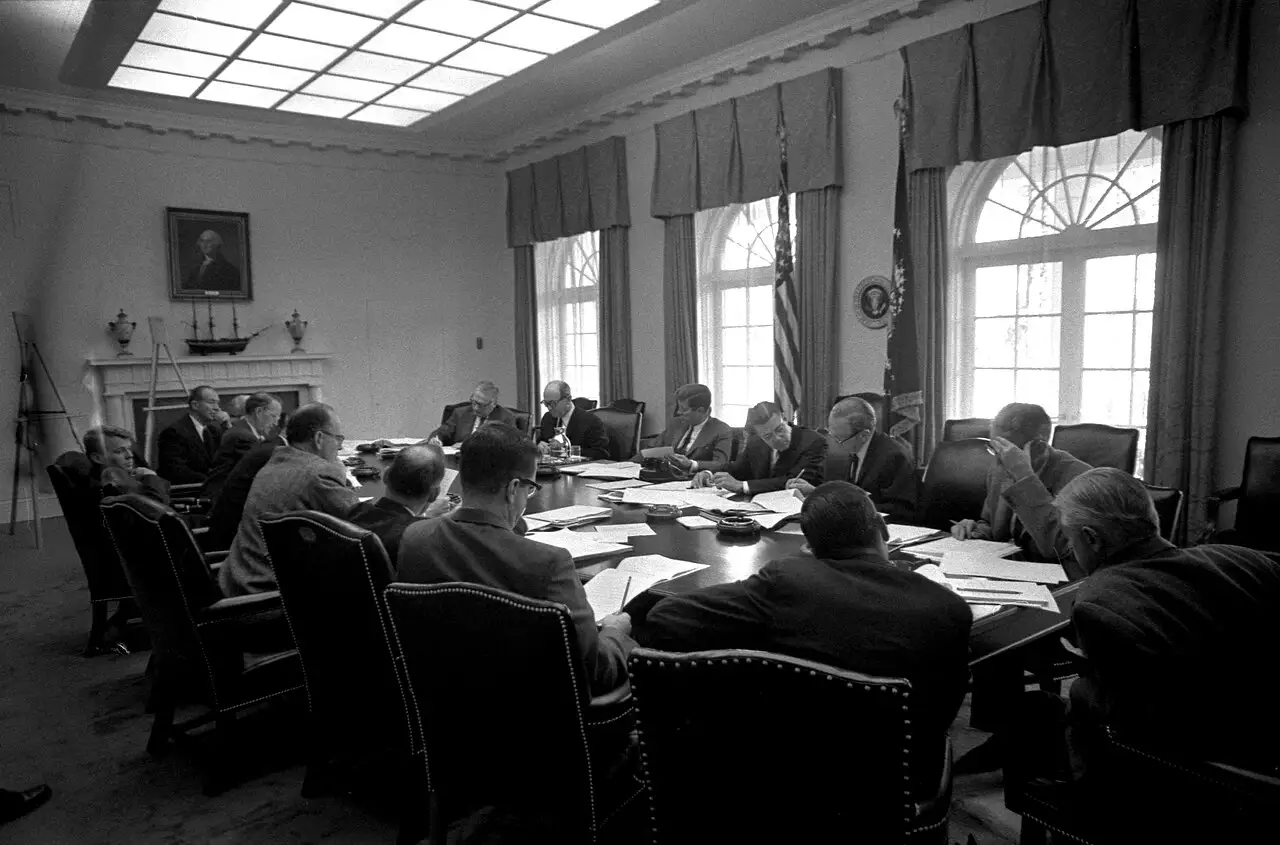
The superpowers did not fight each other directly, but they backed opposing sides in other people's conflicts. The United States and the USSR supplied weapons, money and advisers, while it was people in other countries who died.
The largest of these wars: Korea (1950–1953), Vietnam, where the United States became bogged down for years, and Afghanistan, often called the "Soviet Vietnam". Similar conflicts flared up in Africa, Asia and Latin America.
The Space Race
The superpowers competed in space as well, because it showed whose science and technology was stronger. The USSR pulled ahead: in 1957 it launched the first satellite, and in 1961 it sent the first human into space, Yuri Gagarin.
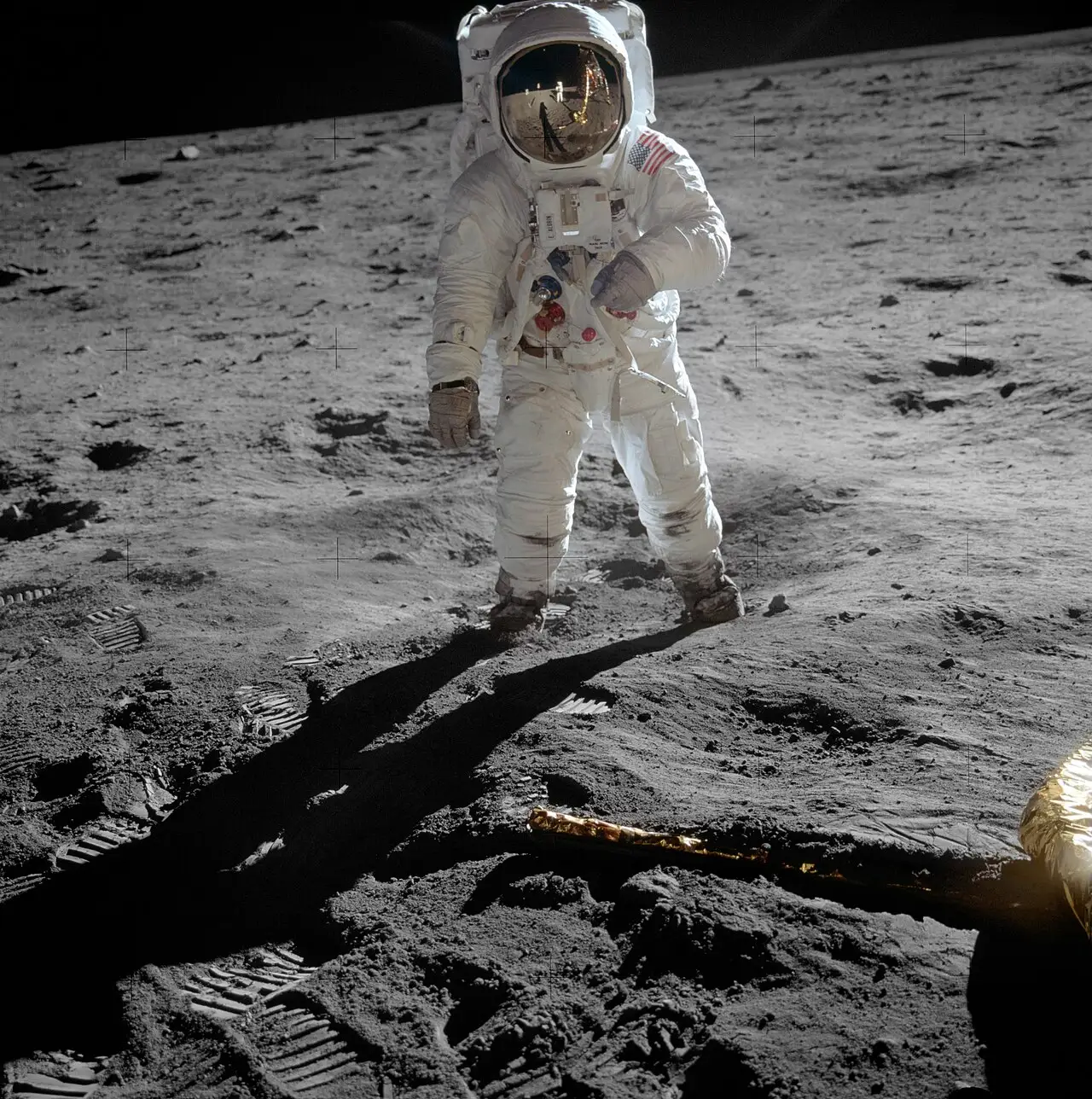
The United States answered with a program of flights to the Moon, and in 1969 it was the first to land people there. The Cold War, for all its danger, gave an extraordinary boost to the advance of science and technology.
Thaw and the Gorbachev reforms
From time to time the tension eased, and the two sides agreed to limit their weapons. But the real turning point came in 1985, when Mikhail Gorbachev became leader of the USSR.
He began reforms: more freedom of speech ("glasnost") and attempts to renew the old system ("perestroika"). Gorbachev also ended the arms race and came to terms with the West. The Soviet grip on Eastern Europe began to weaken.
1989: the fall of the Berlin Wall
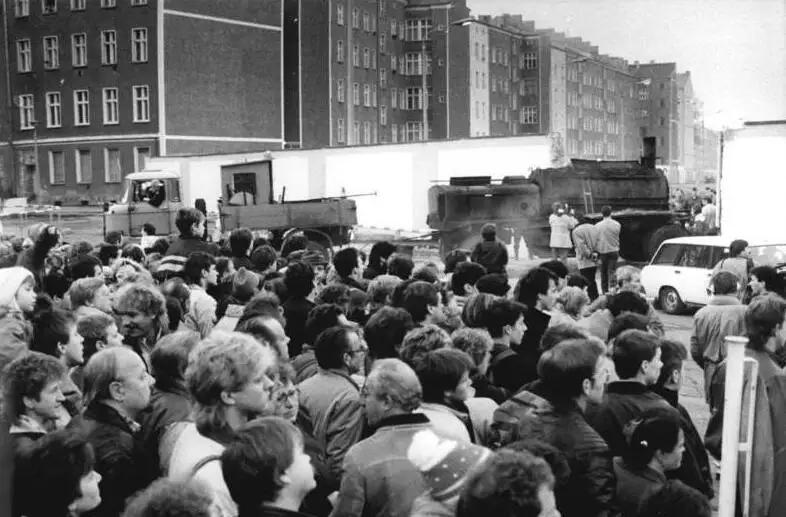
In 1989, one after another, the countries of Eastern Europe peacefully threw off communist rule. The climax came in November: the people of Berlin came out to the Wall, it was simply thrown open, and then they began to smash it to pieces.
The fall of the Berlin Wall became the symbol of the end of the Cold War. It was now clear that the division of Europe was drawing to a close.
The collapse of the USSR
The reforms slipped out of control, and the USSR itself began to fall apart. The republics that made up the Union declared their independence one after another. Among them, in 1991, Ukraine too won its independence.
At the end of 1991 the USSR officially ceased to exist, breaking apart into 15 independent states. The Cold War had ended without a single shot fired between the superpowers.
What it left behind
The Cold War shaped the modern world. In its aftermath the United States became, for a time, the world's only superpower, and many new countries appeared on the map.
Its legacy is still with us: thousands of nuclear warheads, the exploration of space, the internet (which also grew out of military research), and the memory of just how dangerous a confrontation can be when the fate of the whole world hangs on it.