Study materials
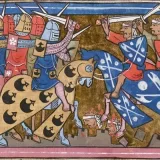
Nearly 200 years, over which a million Europeans at one time or another left their homes, sewed a red cross onto their clothing and set out to fight for the Holy Land — 2,500 kilometers from their native villages. It was the first international religious military movement in the history of the West: eight great crusades, dozens of smaller expeditions, four Latin states on the coast of what is now Lebanon, Syria, Israel and Turkey, two great orders of knighthood and one catastrophe — the sack of Constantinople by Christians in 1204. The Crusades began on 27 November 1095, when Pope Urban II cried out "Deus vult!" ("God wills it!") at Clermont, and ended symbolically on 28 May 1291, when the Mamluks of Sultan al-Ashraf Khalil took the last Christian fortress in the Holy Land — Acre. In those 196 years everything changed: the economy of Europe, the geography of its knowledge, the religious vocabulary of East and West, and even the recipes of European cooking.
What the Crusades were
The Crusades were a series of religious wars in which, for nearly 200 years, European Christians tried to win back the Holy Land (above all Jerusalem) from the Muslims. The warriors sewed a red cross onto their clothing — hence the name. These were the first great overseas expeditions in the history of Europe.
The pope's call: "God wills it!"
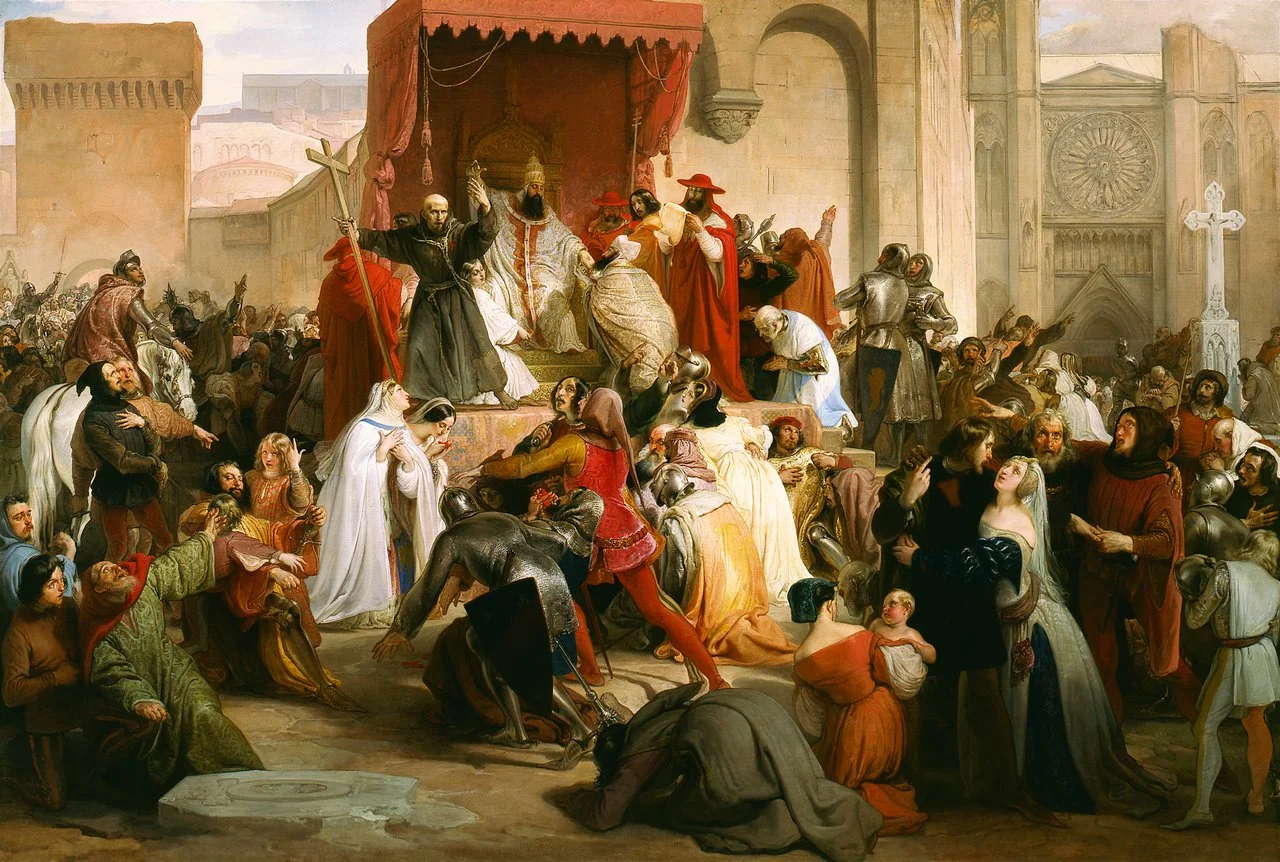
In 1095, at the council in the town of Clermont, Pope Urban II called on the knights to set out and free Jerusalem. The crowd answered with the cry "God wills it!" So began the First Crusade — thousands of people set off for the distant East.
The First Crusade and the capture of Jerusalem
After an exhausting campaign, the crusaders took Jerusalem by storm in 1099. On the conquered lands they founded several Christian states. It was the only truly successful crusade — from then on, things only grew worse.
Warrior monks: the Knights Templar and the Hospitallers
To defend the Holy Land, unusual brotherhoods arose — the military orders of the Knights Templar and the Hospitallers. Their warriors were monks and soldiers at once: they took vows like monks, but fought like knights.
Saladin recaptures Jerusalem
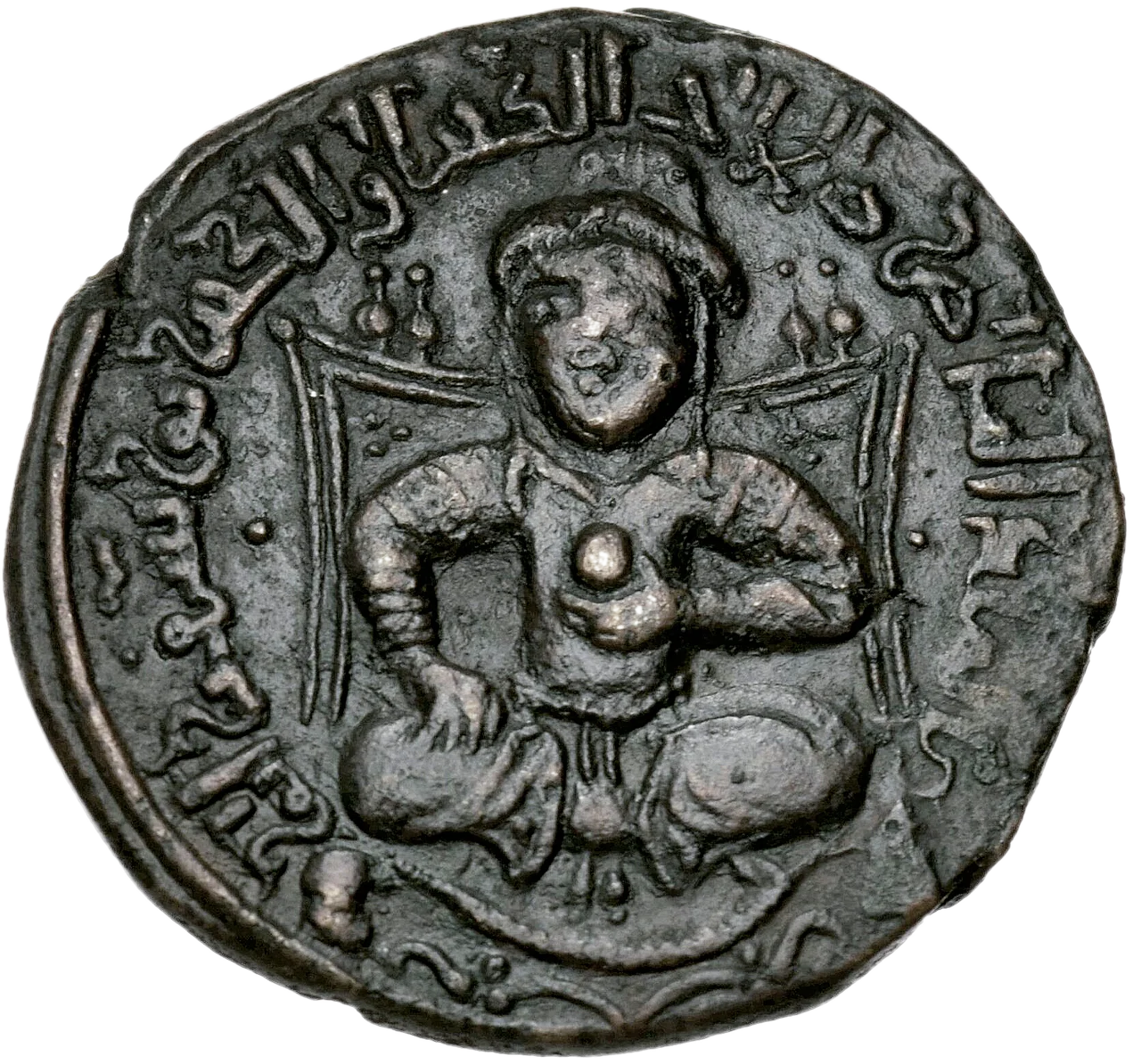
Almost a century later the Muslims found an outstanding leader — Sultan Saladin. In 1187 he crushed the crusader army and recaptured Jerusalem. The Christians lost the very city for which all the crusades had been launched.
Richard the Lionheart and the Third Crusade
To win back Jerusalem, the most powerful kings of Europe set out on crusade, among them the English king Richard the Lionheart. He fought Saladin many times, but never took the city — in the end they concluded a truce.
The shameful Fourth Crusade
The Fourth Crusade turned into a disgrace: instead of fighting the Muslims, in 1204 the crusaders seized and sacked Constantinople — the capital of the fellow Christian Byzantine Empire. It was one of the darkest chapters in the whole of history.
The end of the Crusades
Despite all their efforts, the Christians could not hold on to the Holy Land. In 1291 Acre fell — the last crusader fortress. With that, the age of the Crusades — nearly two centuries long — came to an end in defeat.
What the Crusades left behind
On the battlefield the Crusades failed. Yet they changed Europe forever: trade with the East sprang to life, and Europeans learned of new goods, new knowledge and new inventions. The meeting of West and East proved more important than the conquests themselves.