Study materials
In four years — from April 1861 to April 1865 — a young republic that had barely survived its eightieth birthday gave itself the bloodiest bath of its entire history. In the war between the North and the South, by modern estimates, between 620,000 and 750,000 soldiers died — more than all Americans killed in the two World Wars, Korea and Vietnam combined. The Union — 23 northern states with 22 million people — fought the Confederacy — 11 southern states with 9 million people, of whom 4 million were Black slaves. The question for which all this was done was simple and terrible: whether one human being has the right to own another as livestock. The war ended with General Lee's surrender at Appomattox, the assassination of President Lincoln five days later — and the passage of the 13th Amendment, which abolished slavery.
What was the US Civil War
The US Civil War (1861–1865) was a war between the northern states (the Union) and the southern states (the Confederacy) that had broken away. It was the bloodiest war in American history: over half a million people died. Its central issue was slavery.
Why the war began
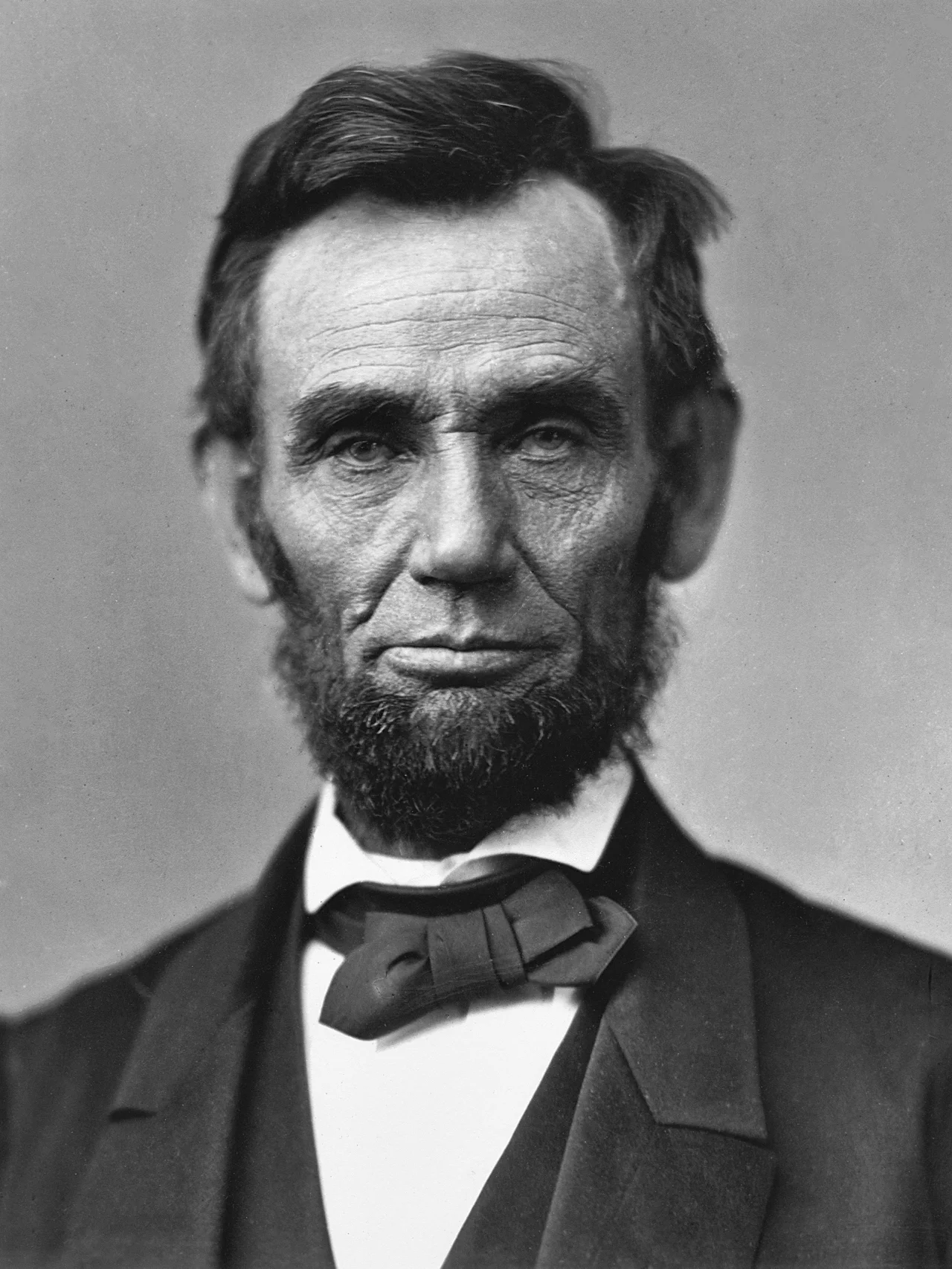
In the cotton-rich South millions of Black people were slaves, while the North increasingly opposed slavery. When the anti-slavery Abraham Lincoln was elected president, the southern states decided to break away and form their own state — the Confederacy.
The start: Fort Sumter, 1861
The war began in April 1861, when the Southerners bombarded the federal Fort Sumter. Thus began a four-year bloody confrontation. The Union (the North) was richer and more numerous, but the South had better generals and fought on its own soil.
The bloodiest battles
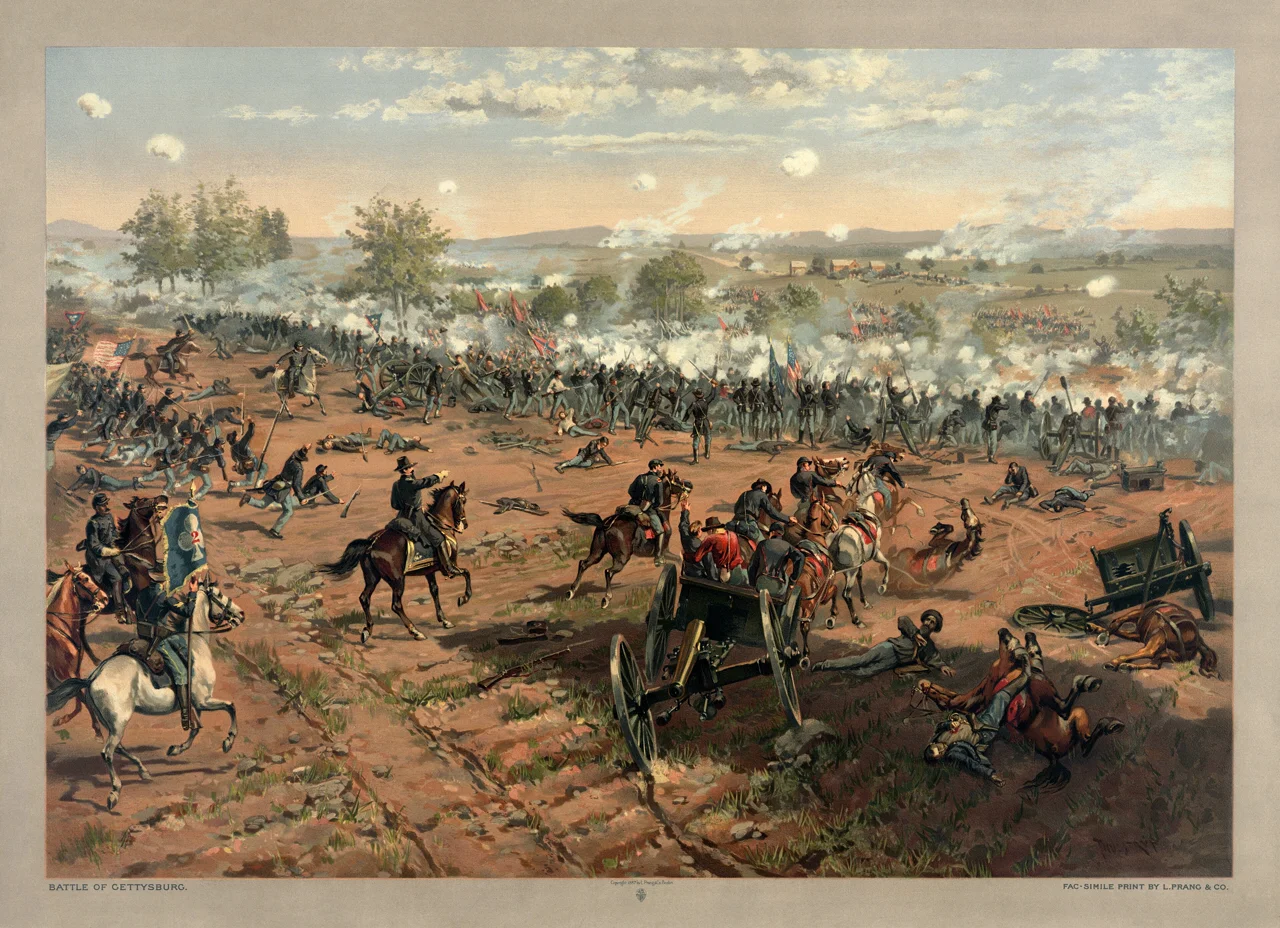
The war was terribly bloody. The turning point was the Battle of Gettysburg (1863), where the Southern army suffered a heavy defeat. After it the Confederacy could no longer win — it could only defend itself, gradually losing strength.
The freeing of the slaves
In 1863 Lincoln issued the Emancipation Proclamation, freeing the slaves in the territory of the Confederacy. From then on the war was not only for the country’s unity, but for freedom. Thousands of freed Black men joined the Union army and fought for their liberty.
Grant, Lee and the end of the war
The Union army was eventually led by the resolute General Ulysses Grant, and the South by the talented Robert Lee. Grant relentlessly pressed the exhausted Confederacy. On 9 April 1865 Lee surrendered to Grant at Appomattox — the war was effectively over.
The assassination of Lincoln
Just five days after the victory came a tragedy: a Southern sympathizer shot President Lincoln in a theatre. The country that had just held together lost its leader at the moment of triumph. Lincoln became a national hero and a symbol of unity.
The end of slavery
The main outcome of the war was the abolition of slavery: at the end of 1865 the 13th Amendment to the Constitution was passed, forever banning slavery throughout the United States. Four million people gained their freedom.
What the war left behind
The Civil War kept the USA a single state and put an end to slavery. But the racial wounds healed slowly and painfully — the struggle for equal rights for Black people went on for another century. This war shaped modern America in many ways.