Study materials
In just five years — between the bread riots in Petrograd in February 1917 and the proclamation of the Union of Soviet Socialist Republics in December 1922 — the bloodiest political catastrophe of twentieth-century Europe erupted across the territory of the former Russian Empire: the three-hundred-year-old Romanov dynasty perished, private ownership of land was abolished, and the empire fell apart and gathered itself again under a new banner. In those years, by various estimates, around 10 million people died — from fighting, famine, typhus, and the Red and White terror. The first communist regime in history was born, one that would last until 1991 and decide the fate of half the planet in the Cold War. This page is about how exactly this happened, and why what began as the democratic spring of 1917 turned into dictatorship, a war of all against all, and the destruction of an entire old world.
Why did the tsar fall?
At the start of 1917 the Russian Empire was buckling under the First World War: millions dead, defeats at the front, famine, and bread lines in the cities. People had grown weary and furious, and the weak tsar Nicholas II had lost the trust even of his own generals. The empire was hanging by a thread.
February 1917: the tsar abdicates
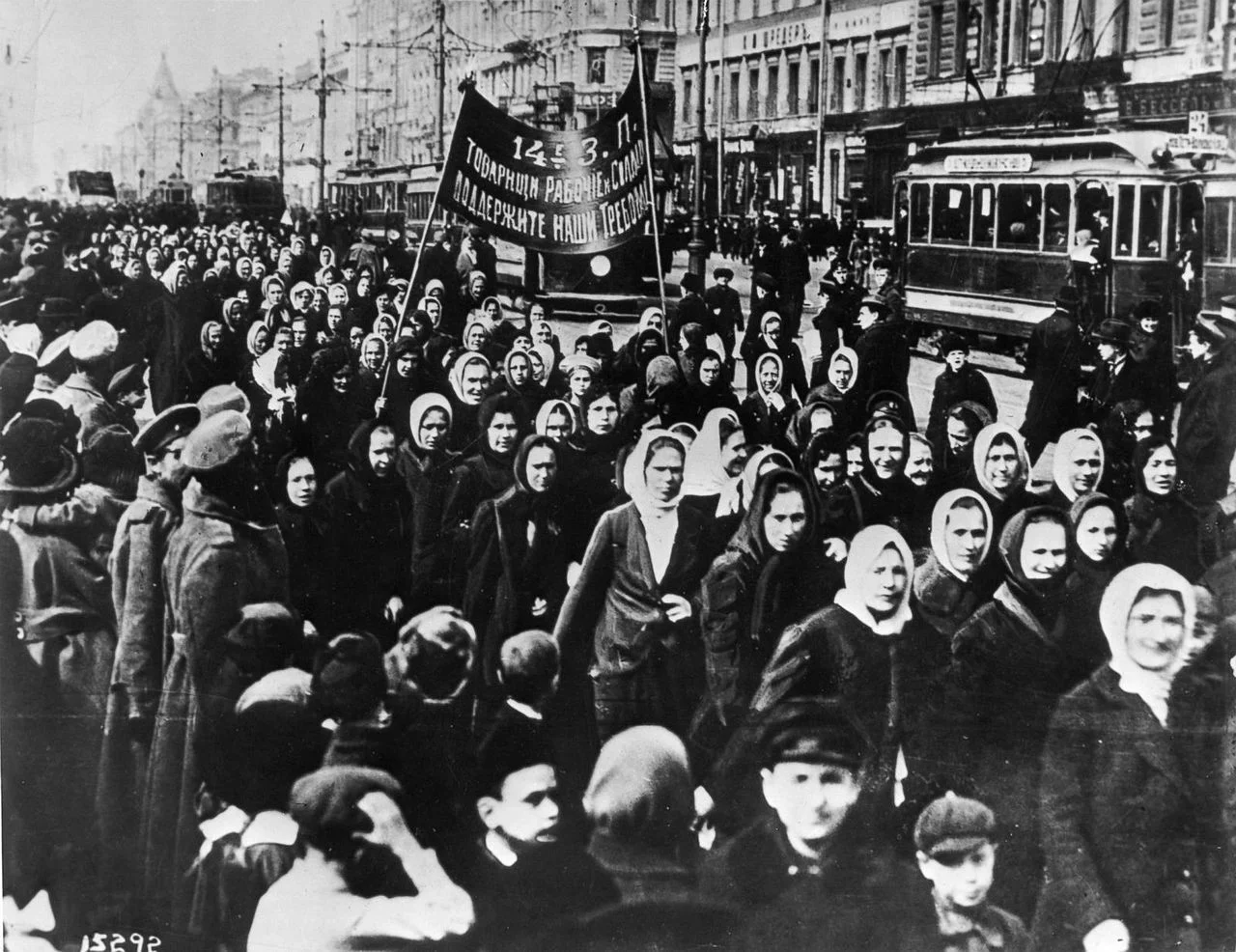
In February 1917 the women of Petrograd took to the streets demanding bread. The strike quickly grew into an uprising, the soldiers came over to the side of the people — and within a few days Tsar Nicholas II abdicated the throne. And so, in a matter of days, a dynasty that had ruled for more than 300 years fell.
Who is in charge now? Dual power
After the tsar's abdication, power was meant to be held by everyone together, but in reality what emerged was dual power: on one side the Provisional Government of deputies, on the other the councils (the soviets) of workers and soldiers. They did not trust one another, and this confusion at the top lasted all through 1917.
Lenin and the Bolsheviks seize power
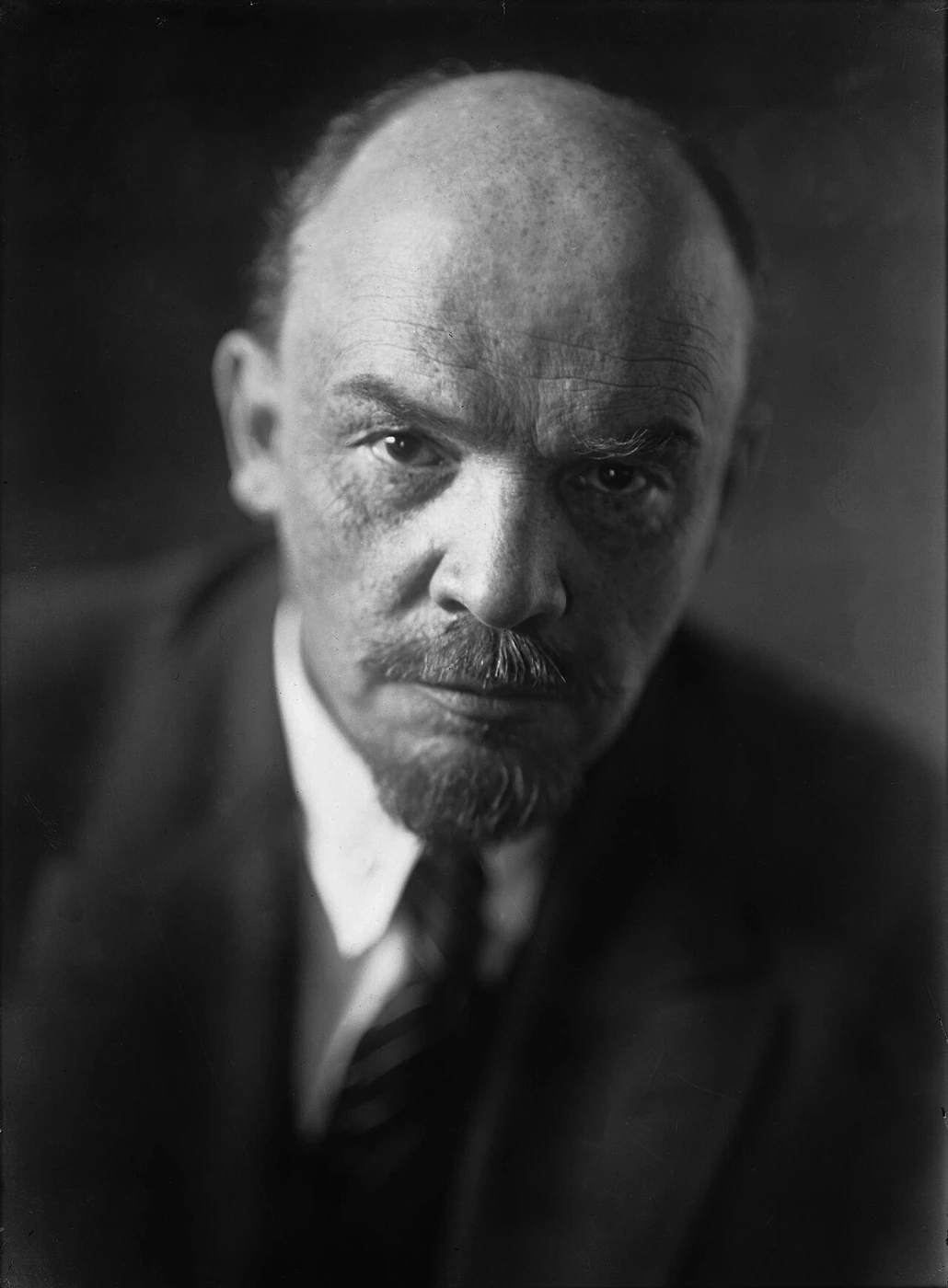
In the spring of 1917 Vladimir Lenin, leader of the Bolsheviks, returned from exile. He promised the people what they wanted most: "Peace, land, bread". And in the autumn, in October 1917, the Bolsheviks seized power in Petrograd almost without a fight, overthrowing the Provisional Government.
Leaving the war — at the cost of land
The Bolsheviks had promised peace — and they delivered it, but at a terrible price. At the beginning of 1918 they signed the Treaty of Brest-Litovsk with Germany, giving up vast territories, Ukrainian lands among them. This humiliating peace outraged everyone, but it took Russia out of the Great War.
The death of the tsar's family
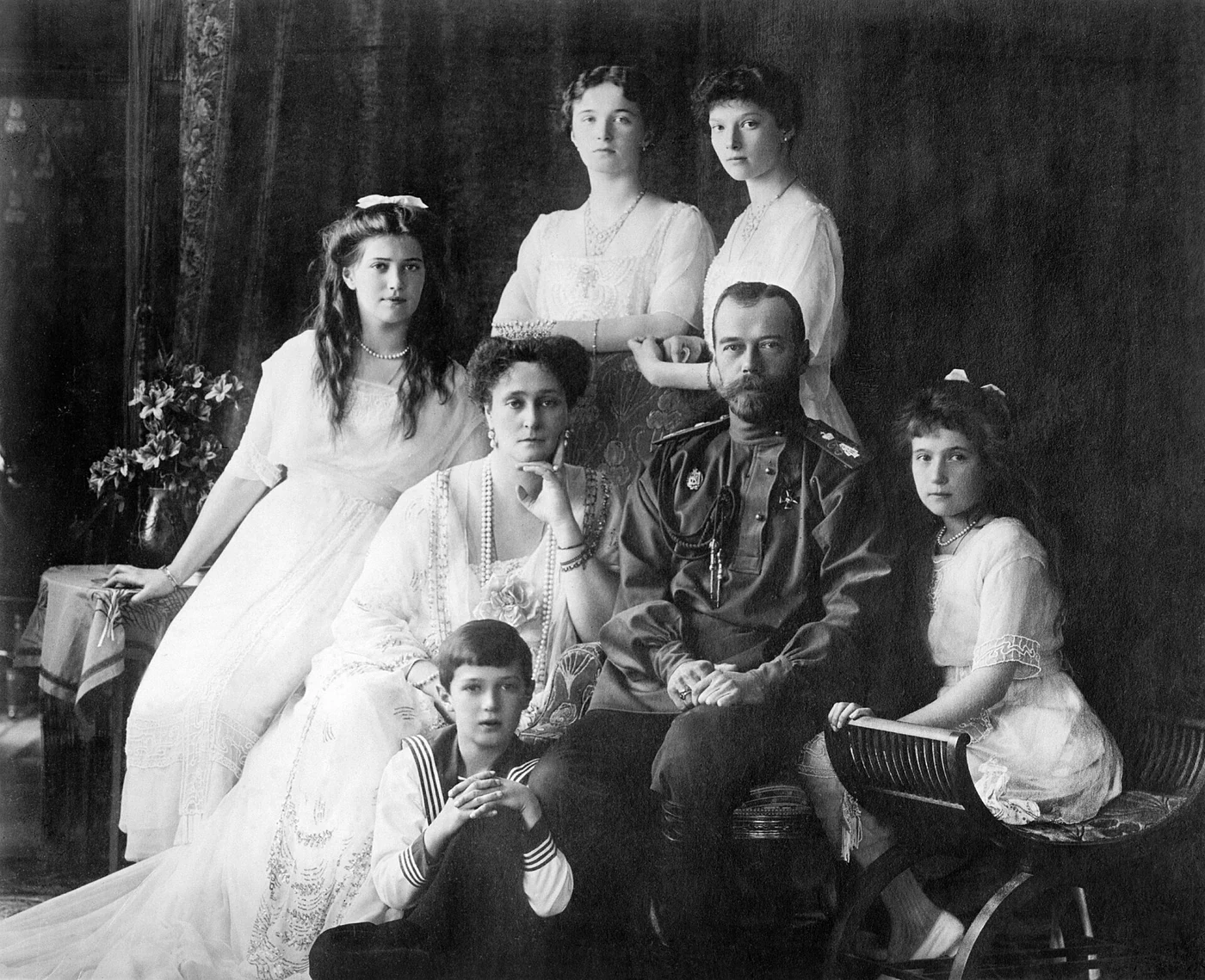
The former tsar and his family were held under guard. On the night of 17 July 1918 the Bolsheviks shot Nicholas II, his wife, and their five children in the cellar of a house in Yekaterinburg. And so, tragically and finally, the age of the Romanovs came to an end.
The Civil War: the Reds against the Whites
The seizure of power by the Bolsheviks (the "Reds") ignited a terrible civil war. Against them gathered the "Whites" — a motley assortment of opponents of the Bolsheviks. For four years the country was torn apart by fighting, famine, and terror on both sides. In the end the Reds won — mainly because they were united, while the Whites were divided.
Ukraine fights for independence
Amid the chaos, Ukraine too saw its chance to win freedom. In Kyiv the Ukrainian People's Republic (UPR) arose and declared independence. A symbol of this struggle was the Battle of Kruty (1918), where a handful of students and cadets stood in defense of the young state against the Bolshevik advance.
Makhno, famine, and the birth of the USSR
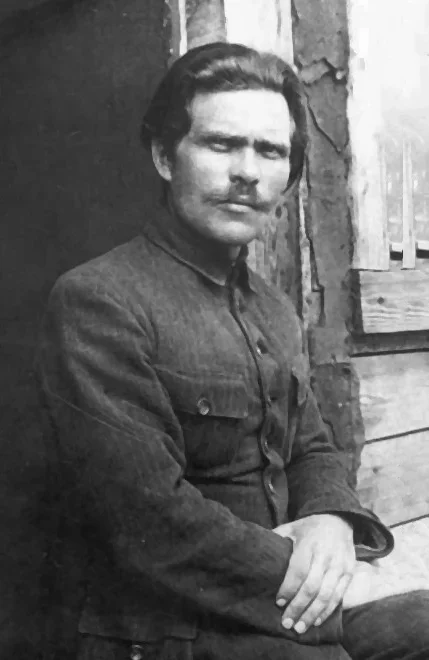
In southern Ukraine there also fought the peasant army of the anarchist Nestor Makhno, which battled both the Whites and the Reds for a "free Ukraine". But in the end the Bolsheviks defeated everyone. The exhausted country lived through a terrible famine, and at the end of 1922 the Bolsheviks united the conquered lands into a new state — the USSR.