Study materials
A decade and a half — from the first plague burials on the shores of Lake Issyk-Kul in 1338–1339 to the last outbreaks in Scandinavia in 1353 — Europe lived through the greatest demographic catastrophe of its millennium. The Black Death carried off from a third to half of the continent's population: some 50 million lives out of 80–100 million. The plague did not merely kill — it buried the Middle Ages: it wrecked the feudal economy, undermined the authority of the Church, and set in motion the search for a new medicine, new forms of labor, and a new picture of the world. Everything we would later call the Renaissance grew from the bones of 1348.
What was the Black Death?
In the middle of the 14th century the most devastating epidemic in its history swept over Europe — the plague, later called the "Black Death". It came from the East along the trade routes, and within a few years it carried off between a third and a half of all Europeans. The continent had known nothing like it, before or since.
How the plague reached Europe
In 1347 Genoese trading galleys arrived at the Sicilian port of Messina. But along with their goods they brought a terrible "cargo" — the plague. Almost the entire crew was dead or dying. The city drove the ships away, but it was already too late: the disease had come ashore and was rolling across Europe.
How did it spread so quickly?
The plague was carried by fleas that lived on rats, and rats swarmed on ships, in cities, and in granaries. Along with trade and people the disease traveled from port to port, from village to village. In a mere four years it engulfed almost all of Europe — from Sicily to Scandinavia.
Why the "Black" Death?
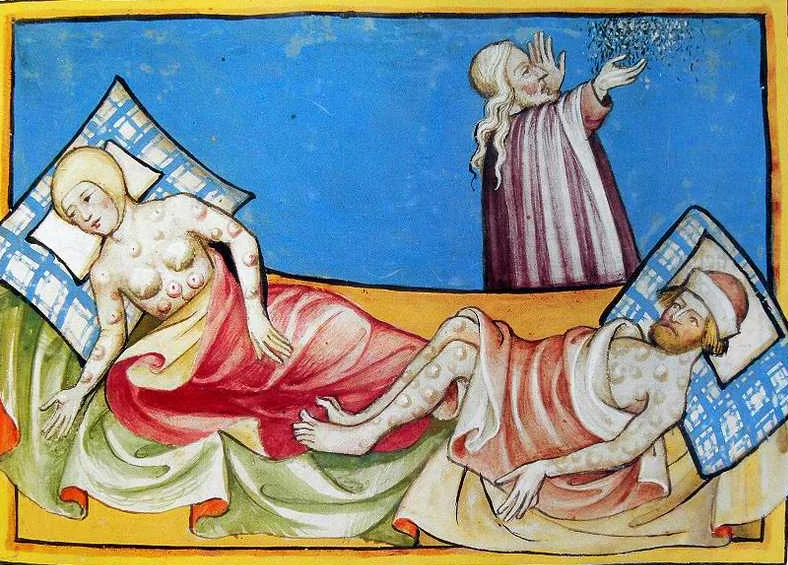
The disease was a grim one. Painful black swellings — buboes — appeared under the arms and on the neck, dark blotches spread across the body, and within a few days the person was dead. It was these black signs, and the general dread, that gave the epidemic its name — the "Black Death".
How many people died?
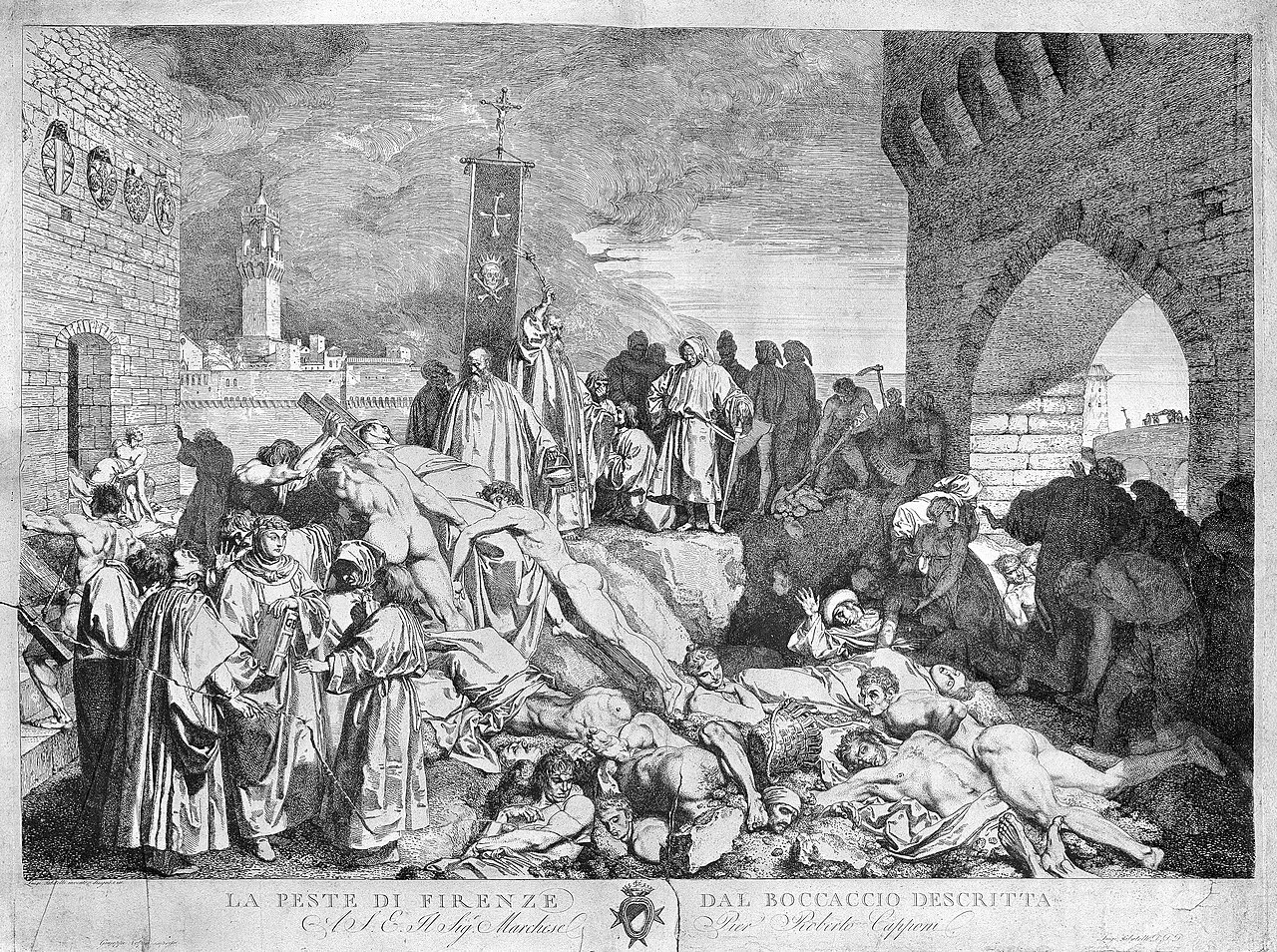
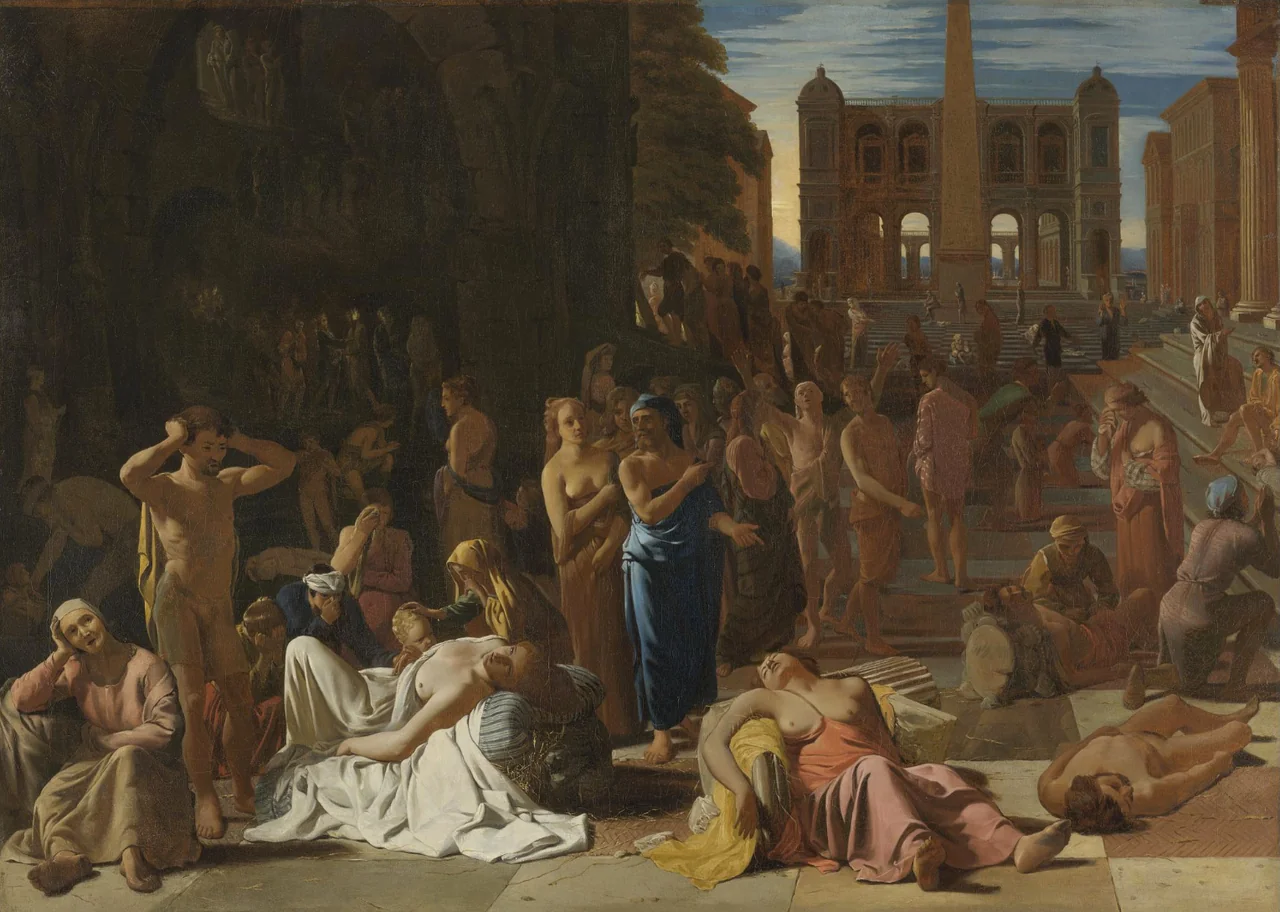
The scale was almost beyond comprehension: the plague took between a third and a half of Europe's population — about 50 million people. Whole villages and towns died out, and the dead could not be buried fast enough. No war had ever killed so many so quickly.
How people tried to save themselves
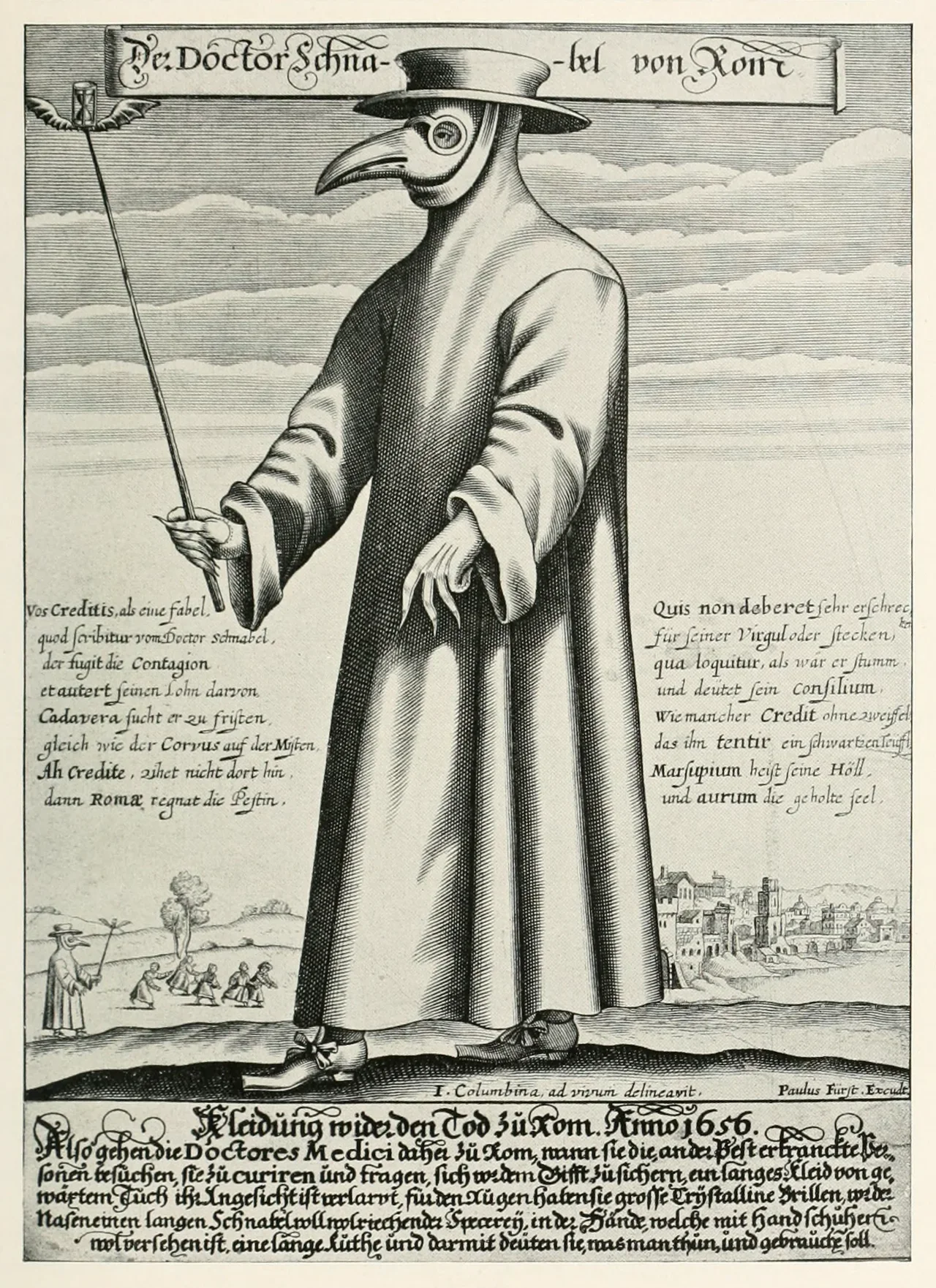
The medicine of the time was helpless — no one knew the true cause of the disease. Doctors put on eerie masks with a "beak", stuffed with herbs, believing that the plague spread through "infected air". Many simply fled the cities. But there was almost no hiding from the plague.
Who was to blame? Fear looks for the guilty
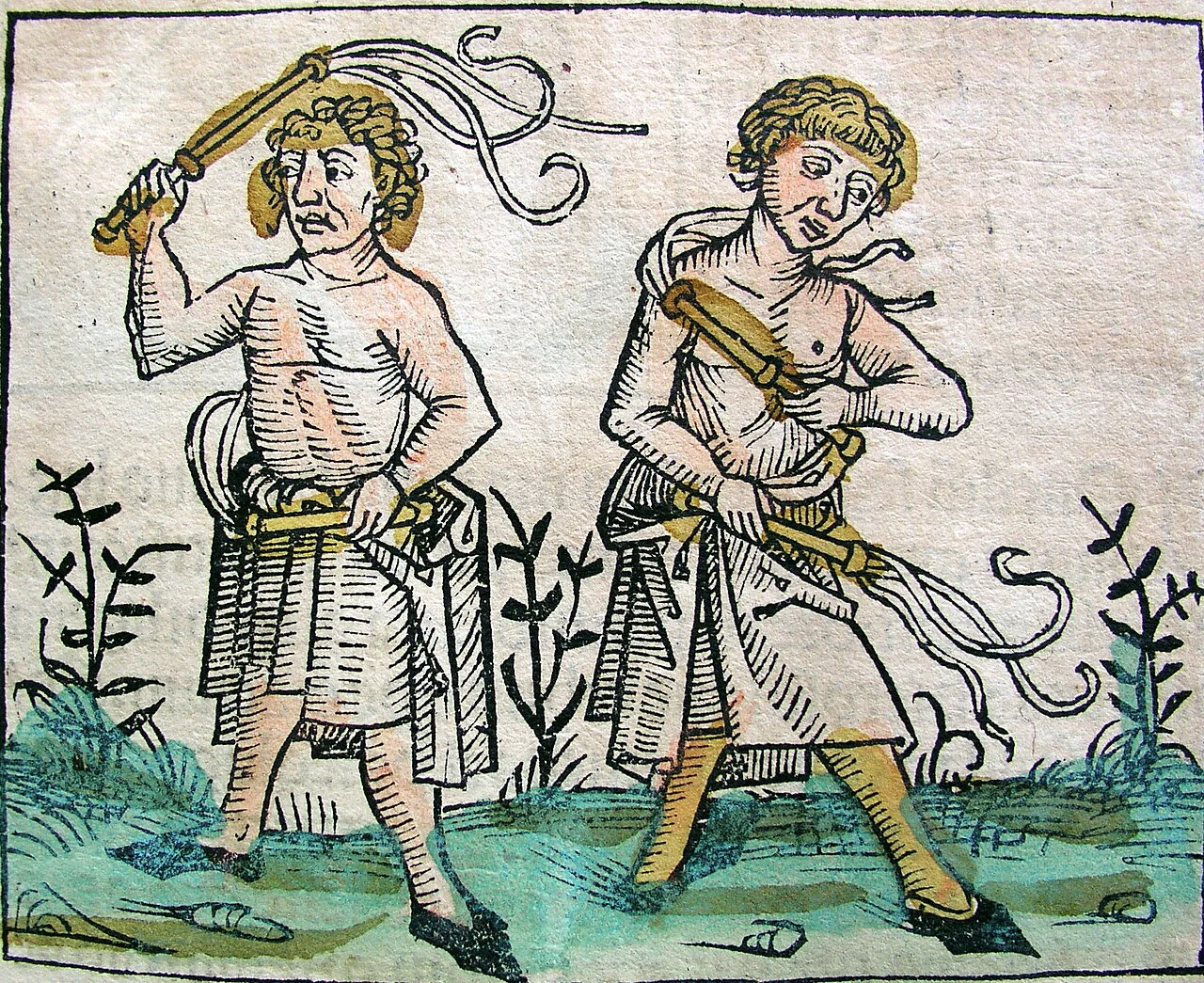
People believed that the plague was a punishment from God. Some organized processions of flagellants — penitents who publicly whipped themselves. Others, in their despair, looked for the "guilty" — and tragically accused the Jews of poisoning the wells. Terrible pogroms followed, though Jews were dying of the plague just like everyone else.
How the plague changed life
Strange as it may seem, the catastrophe also changed some things for the better for those who survived. Working hands had become scarce, so labor grew more expensive, and the peasant serfs could demand freedom and wages. In the West the system of serfdom began to decline. Out of death were born new and freer relations between people.
The plague, art, and a new world
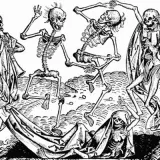
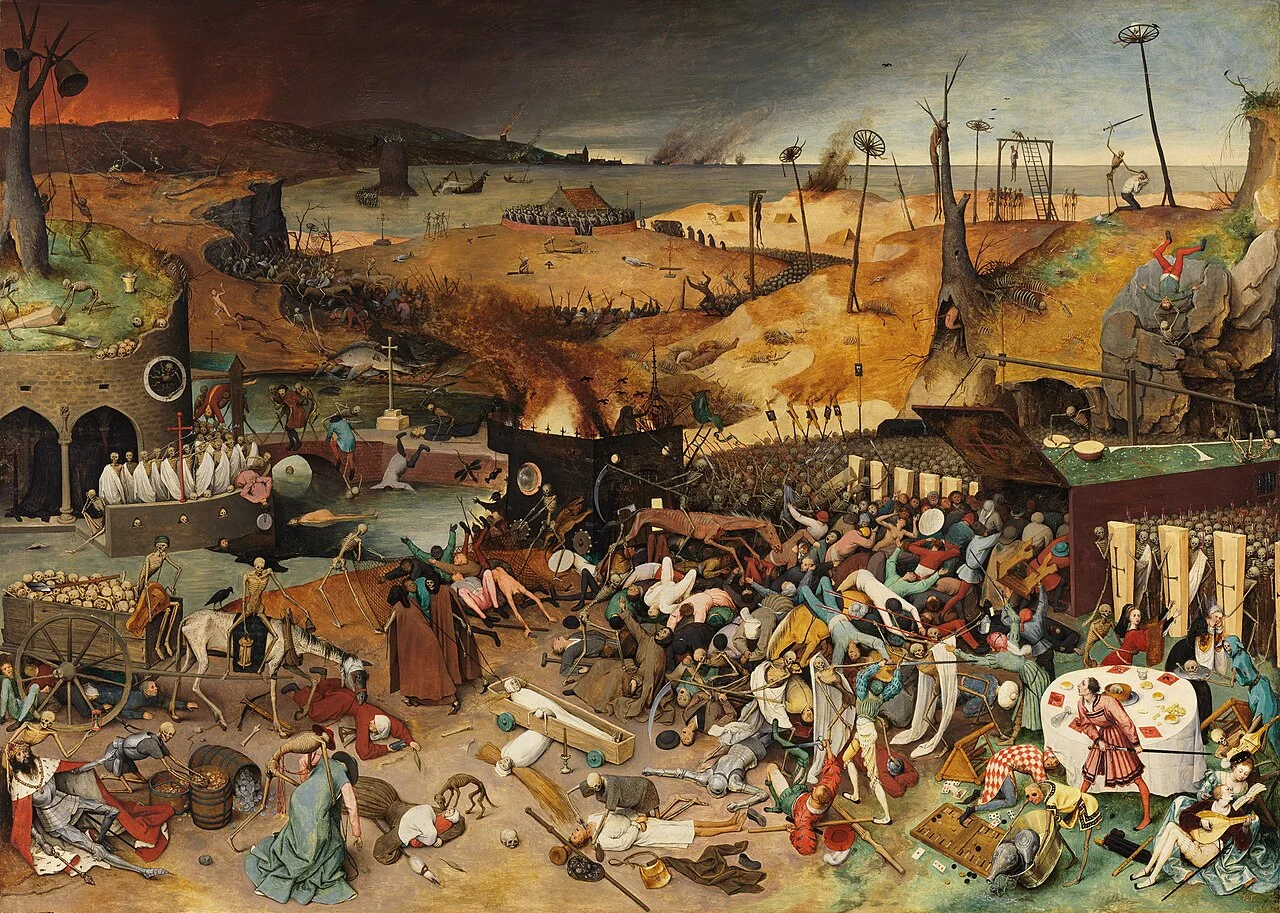
Death took up residence in art: painters depicted the "Dance of Death", in which skeletons lead both kings and beggars into the dance — for before the plague all are equal. And the writer Boccaccio, in the "Decameron", told of young people fleeing the plague. In time, it was out of this upheaval that a new age was born — the Renaissance.