1. Choosing Tenses in Connected TextIn connected text the tense is chosen for the event, not for the sentence.
2. Narrative TensesA story rests on three tenses: one paints the scene, one moves it, one explains the cause.
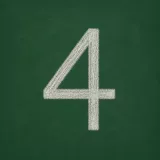
4. Used to and Would for Past HabitsTwo structures for past habits. One handles states, the other does not.
5. Be Used to and Get Used toOne little to, and here it is a preposition. That is why an ing follows, not a base verb.
6. Ways of Expressing the FutureEnglish has no future tense. It has four forms, and each says something different about you.
9. Passive Voice in Common TensesA way to put what happened first, when the doer is unknown or beside the point.
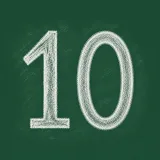
10. Reported Speech: StatementsWhen you report somebody's words, the tense inside them takes a step back.
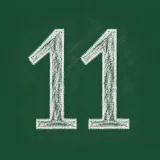
11. Reported Speech: Questions and RequestsA reported question stops being a question: do disappears and the word order goes back to normal.
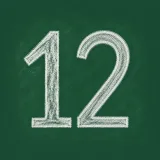
12. Non-defining Relative ClausesTwo commas change not the intonation but the meaning: they decide how many brothers you have.
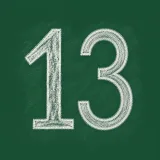
13. Gerunds and Infinitives after VerbsThe first verb dictates the form of the second. And in a few cases that form changes the whole meaning.
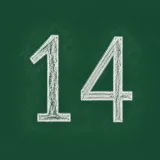
14. Indirect QuestionsPoliteness costs one move here: inside the question the word order becomes that of a statement.
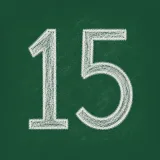
15. Question TagsA little tail at the end of a sentence that turns a statement into a request for agreement.
16. Articles and DeterminersAn article answers one question: does the listener know which one you mean.
17. Conjunctions and Logical LinksBecause and therefore mean the same, yet they live in different places and want different punctuation.